You Won’t Believe Why Modern Maps Are Shrinking Before Your Eyes!
admin
Author
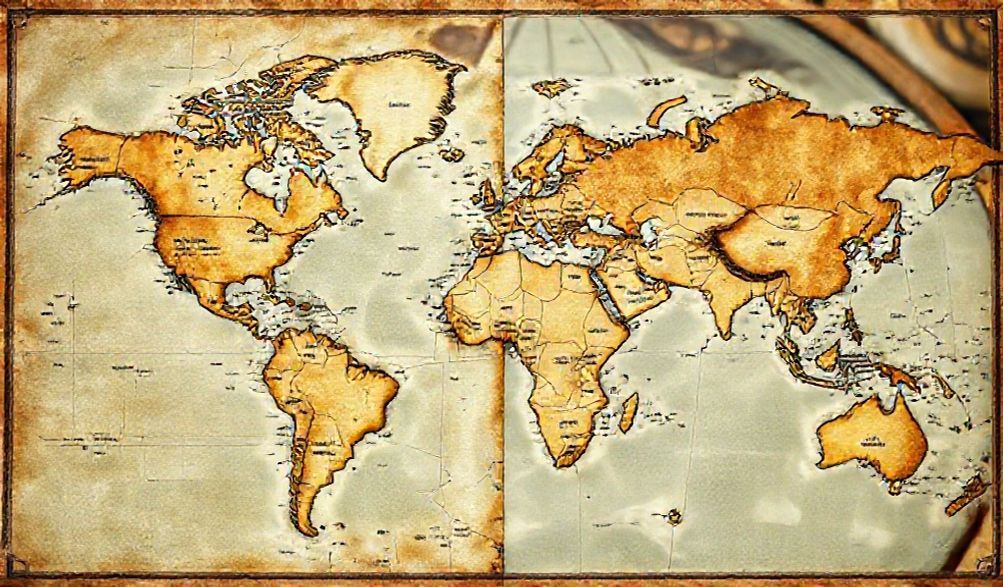
Modern maps, once a staple of exploration and navigation, are undergoing a transformation that has left many cartographers and geography enthusiasts bewildered. The shrinking of modern maps is a phenomenon that has been observed in recent years, with many wondering what could be the cause behind this trend. As we delve into the world of cartography, it becomes evident that the reasons behind this shrinkage are complex and multifaceted. From the impact of digital technology to the role of geopolitical tensions, the story of modern maps shrinking before our eyes is a fascinating one that warrants a closer examination.
Understanding the Historical Context of Modern Maps
To comprehend the significance of modern maps shrinking, it is essential to understand the historical context of cartography. The art of map-making has been around for centuries, with early cartographers using various techniques to represent the world. The invention of the printing press in the 15th century revolutionized the production of maps, making them more accessible to the masses. As exploration and colonization expanded, the need for accurate and detailed maps grew, leading to the development of new cartographic techniques and technologies. The 20th century saw the rise of digital cartography, which further transformed the field of map-making. However, with the advent of digital technology, modern maps began to undergo a significant transformation, one that would ultimately lead to their shrinkage.
The Evolution of Modern Maps in the Digital Age
The digital revolution has had a profound impact on modern maps, transforming the way they are created, used, and perceived. The widespread adoption of digital devices and online platforms has led to a shift away from physical maps, with many opting for digital alternatives instead. This shift has resulted in a change in the way modern maps are designed and presented, with a greater emphasis on simplicity and ease of use. However, this simplification has come at a cost, with many modern maps sacrificing detail and accuracy for the sake of aesthetics. As a result, modern maps have begun to shrink, with less information and fewer features being included. But what are the underlying reasons behind this trend, and what are the implications of modern maps shrinking before our eyes?
Section 1: The Impact of Digital Technology on Modern Maps
Digital technology has been both a blessing and a curse for modern maps. On the one hand, it has enabled the creation of highly detailed and accurate maps, with features such as real-time updates and interactive elements. On the other hand, it has also led to a homogenization of modern maps, with many online platforms and apps using similar templates and designs. This homogenization has resulted in a loss of diversity and character, with modern maps often looking similar and lacking the unique touches that once made them stand out. Furthermore, the rise of digital technology has also led to a decline in the use of physical maps, which has had a significant impact on the way we interact with and understand modern maps.
- The use of digital devices has led to a decline in the use of physical maps, resulting in a loss of tactile experience and a diminished understanding of spatial relationships.
- The homogenization of modern maps has resulted in a loss of diversity and character, with many maps looking similar and lacking unique touches.
- The emphasis on simplicity and ease of use has led to a sacrifice of detail and accuracy, resulting in modern maps that are less informative and less useful for navigation.
Section 2: The Role of Geopolitical Tensions in Shaping Modern Maps
Geopolitical tensions have long played a significant role in shaping modern maps, with many countries and organizations using cartography as a tool for political propaganda and ideological manipulation. The Cold War, for example, saw the creation of highly politicized maps, with the Soviet Union and the United States engaging in a cartographic war of words and images. Today, geopolitical tensions continue to influence the creation and presentation of modern maps, with many countries and organizations seeking to promote their own interests and agendas through cartography. This has resulted in the creation of modern maps that are often biased, inaccurate, and misleading, further contributing to their shrinkage.
The impact of geopolitical tensions on modern maps can be seen in the way that certain features and territories are represented. For example, the disputed territories of Kashmir and Palestine are often depicted in different ways on modern maps, depending on the political perspective of the cartographer. Similarly, the South China Sea is often shown as a contested region, with different countries and organizations claiming sovereignty over the area. These discrepancies highlight the complex and often contentious nature of modern maps, and demonstrate the need for a more nuanced and accurate approach to cartography.
Section 3: The Effects of Climate Change on Modern Maps
Climate change is having a profound impact on modern maps, with rising sea levels, melting glaciers, and shifting weather patterns all contributing to a changing landscape. As a result, modern maps are having to adapt to these changes, with many cartographers and geographers working to create new and updated maps that reflect the evolving nature of our planet. However, this process is often slow and difficult, with many modern maps struggling to keep pace with the rapid pace of environmental change. Furthermore, the impact of climate change on modern maps is not just limited to the physical environment, but also has significant social and economic implications, as communities and economies are forced to adapt to a changing world.
The effects of climate change on modern maps can be seen in the way that coastal areas and low-lying regions are represented. For example, many modern maps are now including projections of future sea level rise, highlighting the potential impacts of climate change on coastal communities and ecosystems. Similarly, the melting of glaciers and ice sheets is being tracked and mapped, with many modern maps showing the rapid pace of ice loss in regions such as the Arctic and Antarctica. These changes highlight the dynamic and evolving nature of modern maps, and demonstrate the need for a more responsive and adaptive approach to cartography.
Section 4: The Influence of Economic Factors on Modern Maps
Economic factors are also playing a significant role in shaping modern maps, with many cartographers and geographers working to create maps that are economically viable and commercially successful. The rise of online mapping platforms and apps has created a new market for modern maps, with many companies and organizations seeking to capitalize on the demand for digital cartography. However, this commercialization of modern maps has also led to a decline in the quality and accuracy of many maps, as companies prioritize profit over precision and detail. Furthermore, the emphasis on economic factors has also led to a lack of diversity and inclusivity in modern maps, with many marginalized communities and regions being left off the map.
The influence of economic factors on modern maps can be seen in the way that certain features and territories are represented. For example, many modern maps are now including advertisements and sponsored content, with companies paying to have their brands and products featured on the map. Similarly, the rise of location-based services and geotargeting has created a new market for modern maps, with many companies seeking to use cartography to target and reach specific audiences. These developments highlight the complex and often contentious nature of modern maps, and demonstrate the need for a more nuanced and critical approach to cartography.
Section 5: The Impact of Social Media on Modern Maps
Social media is having a profound impact on modern maps, with many cartographers and geographers using online platforms to share and disseminate their work. The rise of social media has created a new community of cartographers and map enthusiasts, with many people sharing and discussing modern maps online. However, this online community has also created a number of challenges and opportunities for modern maps, with many cartographers and geographers struggling to navigate the complexities of online engagement and digital communication. Furthermore, the impact of social media on modern maps is not just limited to the way that maps are shared and discussed, but also has significant implications for the way that maps are created and perceived.
The impact of social media on modern maps can be seen in the way that certain features and territories are represented. For example, many modern maps are now being created and shared on social media platforms, with many cartographers and geographers using online tools and software to create and disseminate their work. Similarly, the rise of social media has created a new market for modern maps, with many companies and organizations seeking to use cartography to engage and interact with their audiences. These developments highlight the dynamic and evolving nature of modern maps, and demonstrate the need for a more responsive and adaptive approach to cartography.
Counter-Arguments: Challenging the Notion of Shrinking Modern Maps
While the notion of shrinking modern maps is a compelling one, there are also several counter-arguments that challenge this idea. Some argue that modern maps are not shrinking, but rather evolving and adapting to the changing needs and technologies of the 21st century. Others argue that the emphasis on digital technology and online platforms has actually led to an increase in the availability and accessibility of modern maps, with many more people having access to high-quality cartography than ever before. Furthermore, some cartographers and geographers argue that the notion of shrinking modern maps is a nostalgic and romanticized view of the past, and that modern maps are actually more accurate, detailed, and informative than ever before.
These counter-arguments highlight the complexity and nuance of the issue, and demonstrate the need for a more critical and nuanced approach to cartography. While the notion of shrinking modern maps is a compelling one, it is also important to consider the many ways in which modern maps are evolving and adapting to the changing needs and technologies of the 21st century. By engaging with these counter-arguments and challenging our assumptions about modern maps, we can gain a deeper understanding of the complex and often contentious nature of cartography, and work towards creating modern maps that are more accurate, informative, and useful for navigation.
Conclusion: The Future of Modern Maps
In conclusion, the story of modern maps shrinking before our eyes is a complex and multifaceted one, with many different factors and forces at play. From the impact of digital technology to the role of geopolitical tensions, the evolution of modern maps is a dynamic and evolving process that reflects the changing needs and technologies of the 21st century. As we look to the future, it is clear that modern maps will continue to play a vital role in our lives, whether it is in the form of digital apps and online platforms, or in the creation of new and innovative cartographic products and services. By understanding the complex and often contentious nature of modern maps, we can work towards creating a more nuanced and accurate approach to cartography, one that reflects the diversity and complexity of our world, and provides us with the tools and information we need to navigate and understand our place within it.
The future of modern maps is uncertain, but one thing is clear: they will continue to evolve and adapt to the changing needs and technologies of the 21st century. As we move forward, it is essential that we prioritize accuracy, detail, and inclusivity in modern maps, and work towards creating a more nuanced and critical approach to cartography. By doing so, we can ensure that modern maps remain a vital and essential tool for navigation, exploration, and understanding, and that they continue to reflect the complexity and diversity of our world. The story of modern maps shrinking before our eyes is a cautionary tale, one that highlights the importance of preserving the integrity and accuracy of cartography, and of ensuring that modern maps remain a trusted and reliable source of information and guidance.