You Won’t Believe How This Ancient Culture Tells Time!
admin
Author
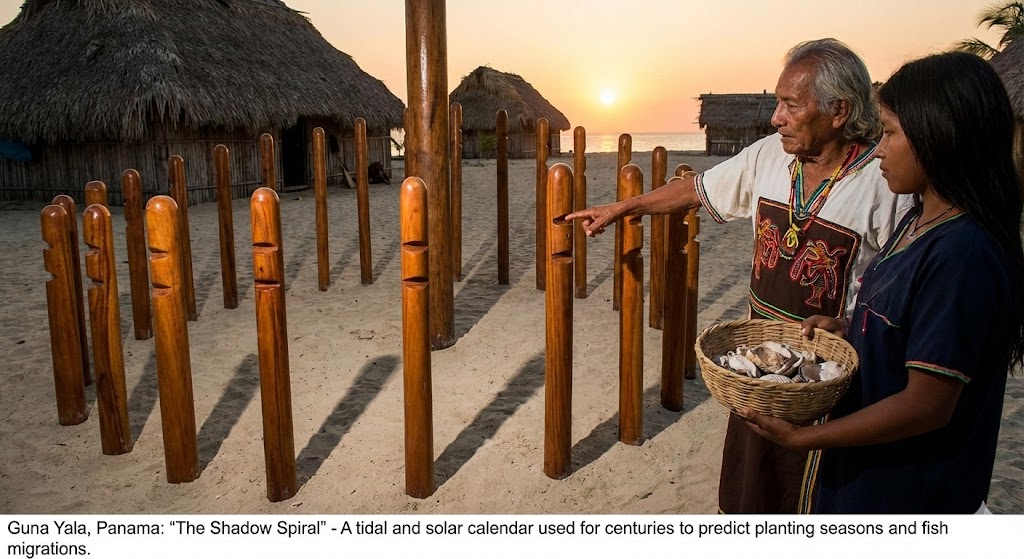
The ancient culture of the Incas has long been a subject of fascination for historians and anthropologists alike, with their unique approach to shadow timekeeping being a particularly intriguing aspect of their daily lives. The way they divided their day, using the sun’s shadow to tell time, may seem primitive to us now, but it was a remarkably effective system that allowed them to organize their daily activities with precision. In this article, we will delve into the world of the Incas and explore their innovative approach to timekeeping, which was based on the principles of shadow timekeeping. From the historical context of their timekeeping methods to the intricacies of their daily routines, we will examine the ways in which the Incas used shadow timekeeping to structure their lives.
Historical Context: The Evolution of Shadow Timekeeping
The Incas were not the only ancient culture to use shadow timekeeping as a means of telling time. In fact, this method of timekeeping was used by many ancient civilizations, including the Egyptians, the Greeks, and the Chinese. However, the Incas developed a unique system that was tailored to their specific needs and environment. Their system of shadow timekeeping was based on the observation of the sun’s shadow, which was used to divide the day into smaller units of time. This system was not only used for practical purposes, such as organizing daily activities, but also played a significant role in their spiritual and ceremonial practices.
Shadow Timekeeping in Inca Daily Life
The Incas used shadow timekeeping to structure their daily lives, dividing the day into two main periods: the morning and the afternoon. The morning period, which was known as “inti,” began at sunrise and lasted until the sun reached its peak in the sky. The afternoon period, which was known as “ch’aska,” began at midday and lasted until sunset. Within these two main periods, the Incas further divided the day into smaller units of time, using the sun’s shadow to mark the passage of time. This system of shadow timekeeping allowed the Incas to organize their daily activities with precision, from farming and trade to spiritual and ceremonial practices.
Detailed Examination of Shadow Timekeeping
A detailed examination of the Inca system of shadow timekeeping reveals a complex and sophisticated system that was tailored to their specific needs and environment. The Incas used vertical sticks, known as “intihuatanas,” to measure the sun’s shadow and divide the day into smaller units of time. These sticks were placed in the ground and marked with lines to indicate the different periods of the day. As the sun moved across the sky, the shadow of the stick would fall on different lines, indicating the passage of time. This system was remarkably accurate, allowing the Incas to organize their daily activities with precision and coordinate their efforts with ease.
Shadow Timekeeping in Inca Agriculture
The Incas used shadow timekeeping to organize their agricultural activities, which were crucial to their survival. By dividing the day into smaller units of time, the Incas were able to schedule their farming activities with precision, from planting and harvesting to irrigation and crop rotation. The use of shadow timekeeping also allowed the Incas to coordinate their efforts with other members of their community, ensuring that everyone worked together to achieve common goals. This system of cooperation and coordination was essential to the success of Inca agriculture, which was renowned for its productivity and efficiency.
Shadow Timekeeping in Inca Spiritual Practices
Shadow timekeeping also played a significant role in Inca spiritual practices, which were deeply connected to the natural world. The Incas believed that the sun and the moon were sacred beings, and that the passage of time was closely tied to the cycles of nature. By using shadow timekeeping to divide the day into smaller units of time, the Incas were able to coordinate their spiritual practices with the natural world, from rituals and ceremonies to prayers and offerings. This system of shadow timekeeping allowed the Incas to connect with the divine and honor the sacred beings that they believed governed the universe.
Shadow Timekeeping in Modern Times
Despite the passing of time, the Inca system of shadow timekeeping remains an important part of their cultural heritage. In modern times, the Incas continue to use shadow timekeeping as a way of connecting with their ancestors and honoring their cultural traditions. The use of shadow timekeeping has also been adopted by other cultures, who recognize the value of this ancient system of timekeeping. From educational programs to cultural festivals, shadow timekeeping is being used in a variety of contexts to promote cultural awareness and understanding.
Practical Applications of Shadow Timekeeping
The practical applications of shadow timekeeping are numerous and varied. In addition to its use in agriculture and spiritual practices, shadow timekeeping can be used in a variety of other contexts, from education to tourism. By using shadow timekeeping to divide the day into smaller units of time, individuals can organize their daily activities with precision and coordinate their efforts with ease. This system of timekeeping can also be used to promote cultural awareness and understanding, by providing a unique perspective on the way that time is perceived and used in different cultures.
Counter-Arguments: Limitations of Shadow Timekeeping
While the Inca system of shadow timekeeping is a remarkable example of ancient ingenuity, it is not without its limitations. One of the main limitations of shadow timekeeping is its reliance on the sun, which can be obscured by clouds or other environmental factors. This can make it difficult to accurately measure the passage of time, particularly in regions with high levels of cloud cover or other forms of atmospheric interference. Additionally, the use of shadow timekeeping can be limited by the availability of sunlight, which can vary significantly depending on the time of year and the location.
Addressing the Limitations of Shadow Timekeeping
Despite the limitations of shadow timekeeping, the Incas were able to develop a sophisticated system of timekeeping that was adapted to their specific needs and environment. By using a combination of astronomical observations and mathematical calculations, the Incas were able to refine their system of shadow timekeeping and make it more accurate and reliable. This approach can be used in modern times to address the limitations of shadow timekeeping, by incorporating new technologies and techniques into the traditional system. For example, the use of solar-powered clocks or other forms of digital timekeeping can provide a more accurate and reliable means of measuring the passage of time, while still honoring the cultural traditions of the Incas.
Conclusion: The Enduring Legacy of Shadow Timekeeping
The Inca system of shadow timekeeping is a remarkable example of ancient ingenuity and cultural sophistication. By using the sun’s shadow to divide the day into smaller units of time, the Incas were able to organize their daily activities with precision and coordinate their efforts with ease. The use of shadow timekeeping also played a significant role in Inca spiritual practices, which were deeply connected to the natural world. As we look to the future, it is clear that the legacy of shadow timekeeping will endure, providing a unique perspective on the way that time is perceived and used in different cultures. Whether used in practical applications or as a means of cultural expression, shadow timekeeping remains an important part of our shared cultural heritage, and a testament to the ingenuity and creativity of the human spirit.
In conclusion, the study of shadow timekeeping offers a fascinating glimpse into the culture and traditions of the Incas, and highlights the importance of preserving our cultural heritage for future generations. By exploring the history and significance of shadow timekeeping, we can gain a deeper understanding of the ways in which time is perceived and used in different cultures, and appreciate the ingenuity and creativity of the human spirit. As we move forward in time, it is essential that we continue to honor and respect the cultural traditions of the past, while also embracing new technologies and innovations that can help us to build a better future for all.
- The use of shadow timekeeping in Inca agriculture and spiritual practices highlights the importance of this system in their daily lives.
- The limitations of shadow timekeeping, such as its reliance on the sun, can be addressed through the use of new technologies and techniques.
- The legacy of shadow timekeeping will endure, providing a unique perspective on the way that time is perceived and used in different cultures.
- The study of shadow timekeeping offers a fascinating glimpse into the culture and traditions of the Incas, and highlights the importance of preserving our cultural heritage for future generations.
- By exploring the history and significance of shadow timekeeping, we can gain a deeper understanding of the ways in which time is perceived and used in different cultures, and appreciate the ingenuity and creativity of the human spirit.