You Won’t Believe How Much You’ve Been Missing: The World Is Wider Than We Were Taught
admin
Author
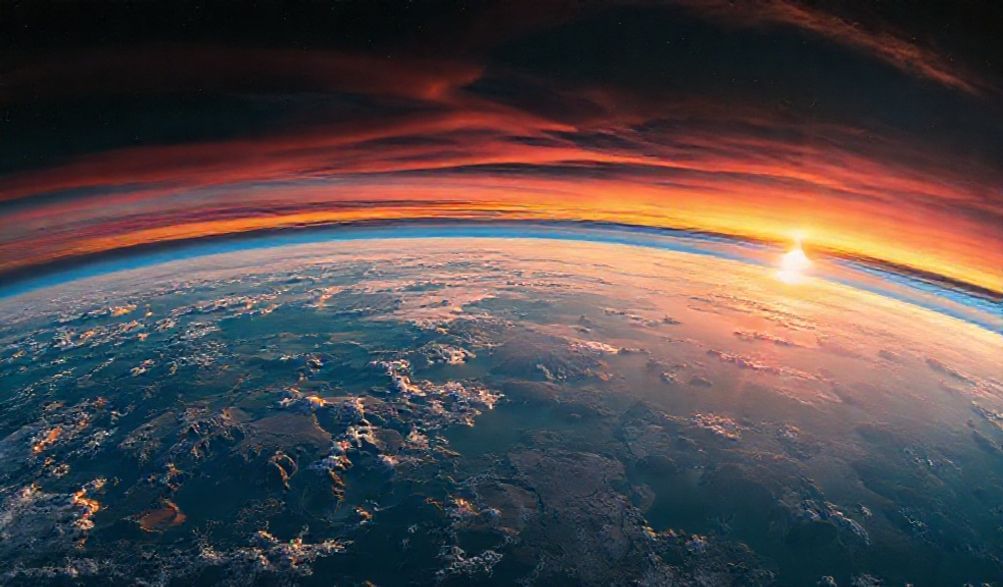
For centuries, our understanding of the world has been shaped by the knowledge and perspectives passed down to us through generations. However, it’s becoming increasingly clear that The World Is Wider Than We Were Taught, with countless stories, cultures, and histories waiting to be uncovered. The realization that our education and media often provide a limited view of the world has sparked a sense of curiosity and adventure, driving people to explore beyond the boundaries of their familiar surroundings. As we embark on this journey of discovery, we begin to appreciate the vastness and diversity of human experience, challenging our previous assumptions and broadening our understanding of the world.
Introduction to The World Is Wider Than We Were Taught
The notion that The World Is Wider Than We Were Taught is not a new concept, but rather a growing awareness that has been building momentum in recent years. With the advent of the internet and social media, people have gained unprecedented access to information and perspectives from around the globe. This increased connectivity has allowed us to engage with diverse cultures, challenge our own biases, and develop a more nuanced understanding of the world. As we delve deeper into the complexities of human experience, we begin to realize that our previous understanding was limited, and that there is much more to explore and learn.
Historical Context: The Evolution of Global Awareness
Throughout history, human societies have been shaped by their unique cultural, geographical, and historical contexts. The way we perceive the world today is a result of the cumulative knowledge and perspectives of our ancestors, which have been passed down through generations. However, this process of knowledge transfer has often been subject to the biases and limitations of the time, resulting in a narrow and incomplete understanding of the world. The ancient Greeks, for example, believed that their civilization was the center of the world, while the medieval Europeans saw themselves as the pinnacle of human achievement. It wasn’t until the Age of Exploration and the subsequent colonization of the Americas, Africa, and Asia that Europeans began to appreciate the diversity and complexity of the world beyond their borders.
Key Milestones in the Expansion of Global Awareness
Several key milestones have contributed to the expansion of our global awareness, including:
- The invention of the printing press, which allowed for the mass production and dissemination of knowledge
- The development of maritime trade and the establishment of colonial empires, which facilitated the exchange of goods, ideas, and cultures
- The rise of modern science and the scientific method, which provided a framework for understanding the natural world and challenging traditional beliefs
- The advent of the internet and social media, which has enabled instant global communication and access to information
Section 1: Uncovering Hidden Histories
One of the most significant aspects of The World Is Wider Than We Were Taught is the discovery of hidden histories and untold stories. For centuries, the dominant narratives of history have been shaped by the perspectives of powerful nations and empires, often marginalizing or erasing the experiences of indigenous cultures, minority groups, and other marginalized communities. However, with the rise of alternative media and social justice movements, these hidden histories are beginning to emerge, providing a more nuanced and inclusive understanding of the past. The stories of African American slavery, the genocide of Native American communities, and the struggles of women’s suffrage, for example, are now being recognized as integral to the fabric of American history.
Section 2: Exploring Diverse Cultures
The world is home to an astonishing array of cultures, each with its unique traditions, customs, and ways of life. From the vibrant street art of Brazil to the intricate calligraphy of Japan, the diversity of human creativity and expression is a testament to the boundless potential of the human spirit. As we explore these diverse cultures, we begin to appreciate the complexity and richness of human experience, challenging our previous assumptions and broadening our understanding of the world. The concept of The World Is Wider Than We Were Taught encourages us to engage with these cultures on their own terms, rather than imposing our own biases and expectations upon them.
Section 3: Challenging Dominant Narratives
As we delve deeper into the complexities of human experience, we begin to challenge the dominant narratives that have shaped our understanding of the world. The notion of The World Is Wider Than We Were Taught encourages us to question the assumptions and biases that underlie our knowledge and perspectives. By challenging these dominant narratives, we can develop a more nuanced and inclusive understanding of the world, one that recognizes the diversity and complexity of human experience. The rise of alternative media and social justice movements, for example, has challenged the dominant narratives of history, politics, and culture, providing a platform for marginalized voices to be heard.
Section 4: Embracing Global Citizenship
The concept of The World Is Wider Than We Were Taught also encourages us to embrace our role as global citizens, recognizing our shared humanity and interconnectedness. As we engage with diverse cultures and challenge dominant narratives, we begin to appreciate the complexities and challenges of the global community. By embracing our global citizenship, we can develop a sense of responsibility and empathy for the world beyond our borders, working towards a more just and equitable global society. The rise of global social movements, such as the environmental movement and the campaign for human rights, is a testament to the power of global citizenship and the potential for collective action.
Section 5: Navigating the Challenges of Global Complexity
As we navigate the complexities of the global community, we are faced with numerous challenges and uncertainties. The concept of The World Is Wider Than We Were Taught encourages us to approach these challenges with a sense of curiosity and humility, recognizing the limitations of our knowledge and perspectives. By engaging with diverse cultures and challenging dominant narratives, we can develop a more nuanced and inclusive understanding of the world, one that recognizes the complexity and diversity of human experience. The rise of global crises, such as climate change and economic inequality, highlights the need for a more collaborative and inclusive approach to global problem-solving.
Counter-Arguments: The Limits of Global Awareness
While the concept of The World Is Wider Than We Were Taught encourages us to explore and appreciate the diversity of human experience, there are also limitations and challenges to consider. Some argue that the rise of global awareness and social media has created a culture of superficiality, where people are more focused on appearances and instant gratification than on meaningful engagement and depth. Others argue that the emphasis on diversity and inclusion can lead to a lack of cohesion and shared values, undermining the sense of community and social solidarity. These counter-arguments highlight the need for a nuanced and balanced approach to global awareness, one that recognizes both the benefits and the limitations of our increasingly interconnected world.
Conclusion: Embracing The World Is Wider Than We Were Taught
In conclusion, the concept of The World Is Wider Than We Were Taught encourages us to embark on a journey of discovery and exploration, challenging our previous assumptions and broadening our understanding of the world. As we engage with diverse cultures, challenge dominant narratives, and navigate the complexities of the global community, we begin to appreciate the vastness and diversity of human experience. By embracing our role as global citizens and recognizing our shared humanity, we can work towards a more just and equitable global society, one that values and celebrates the richness and complexity of human culture. The world is indeed wider than we were taught, and it is up to us to explore, learn, and grow in this vast and wondrous landscape.