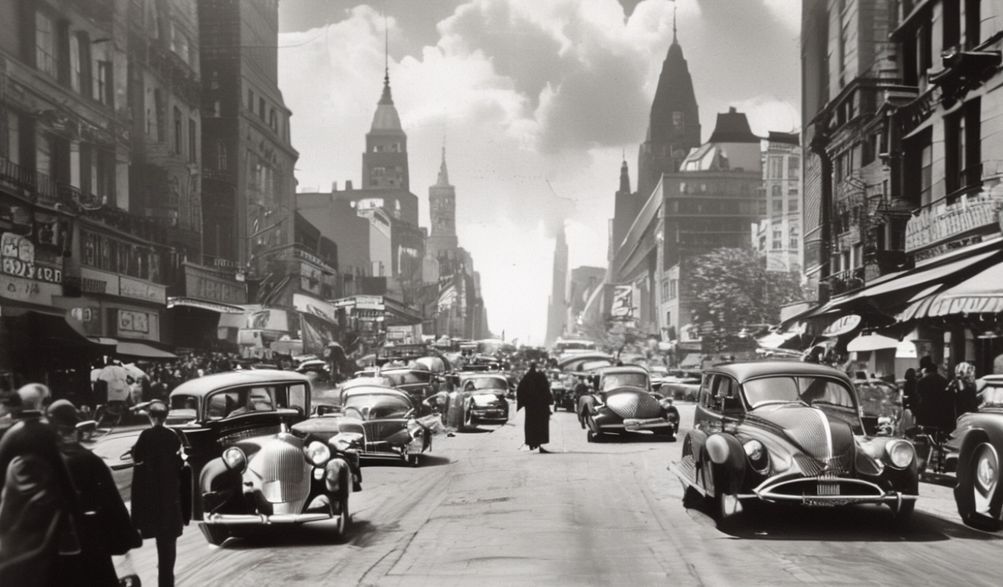
Delving into the archives of historical photos can be a fascinating experience, offering a unique glimpse into the past and often challenging our preconceived notions of bygone eras. These images, frozen in time, not only provide a visual representation of historical events but also serve as a testament to the ingenuity, creativity, and resilience of our ancestors. As we navigate through the vast expanse of historical photos, we begin to unravel the complexities of the past, discovering moments that are as captivating as they are enlightening. The power of these photographs lies in their ability to transcend time, connecting us with the people and events that have shaped our world today.
Introduction to Historical Photos
The study of historical photos is a multidisciplinary field that combines history, photography, and sociology. By analyzing these images, historians and researchers can gain insights into the social, cultural, and political contexts of the time. Historical photos serve as primary sources, offering firsthand accounts of historical events and everyday life. They provide a window into the past, allowing us to understand the experiences, beliefs, and values of previous generations. Moreover, historical photos have the power to evoke emotions, spark curiosity, and inspire further investigation into the stories behind the images.
Historical Context of Vintage Photography
To appreciate the significance of mind-blowing vintage photos, it’s essential to understand the historical context in which they were taken. The advent of photography in the 19th century revolutionized the way people documented and perceived reality. The early days of photography were marked by experimentation, innovation, and a sense of wonder. As photography became more accessible and widespread, it began to play a crucial role in shaping public opinion, influencing social change, and preserving historical records. The historical context of vintage photography is characterized by the intersection of technological advancements, artistic expression, and social commentary.
Detailed Analysis of Historical Photos
A closer examination of historical photos reveals a wealth of information about the time period, the photographer, and the subject. By analyzing the composition, lighting, and themes present in these images, researchers can reconstruct the narrative surrounding the photograph. This includes understanding the social and cultural norms of the era, the technological limitations and capabilities of photography at the time, and the intentions of the photographer. A detailed analysis of historical photos can also involve the study of photographic techniques, such as the use of studio lighting, outdoor settings, and experimental methods.
The Pioneers of Photography
The history of photography is filled with pioneers who pushed the boundaries of the medium, experimenting with new techniques and technologies. One such pioneer was Eadweard Muybridge, who is famous for his motion studies of animals in the late 19th century. Muybridge’s work laid the foundation for motion pictures and continues to inspire artists and photographers today. Another notable figure is Julia Margaret Cameron, who is recognized for her portraits of famous figures of the time, including Charles Darwin and Alfred, Lord Tennyson. Cameron’s photographs are not only technically proficient but also convey a deep sense of intimacy and connection with her subjects.
Social Commentary Through Historical Photos
Historical photos have long been used as a tool for social commentary, providing a visual critique of societal issues and injustices. The work of photographers like Lewis Hine, who documented child labor in the early 20th century, and Dorothea Lange, who captured the struggles of the Great Depression, are exemplary of this tradition. Their photographs not only raised awareness about these issues but also contributed to significant social and political changes. The use of photography as a form of social commentary continues to be a powerful force today, with many contemporary photographers using their cameras to address issues such as inequality, environmental degradation, and human rights abuses.
The Impact of Historical Photos on Popular Culture
Historical photos have had a profound impact on popular culture, influencing art, literature, music, and film. The iconic photographs of the 20th century, such as the V-J Day in Times Square by Alfred Eisenstaedt and the migrant mother by Dorothea Lange, have become ingrained in our collective consciousness. These images have been referenced, parodied, and homaged in countless works of art, advertisements, and films. The power of historical photos to evoke emotions and convey complex ideas has made them a staple of popular culture, with many artists and creators drawing upon this visual heritage for inspiration.
Section 4: The Preservation and Digitization of Historical Photos
The preservation and digitization of historical photos are critical tasks that require careful consideration and expertise. As physical photographs deteriorate over time, it’s essential to create digital archives that can safeguard these images for future generations. The process of digitization involves scanning or photographing the original prints, followed by meticulous editing and enhancement to restore the images to their former glory. Furthermore, the preservation of historical photos requires a deep understanding of the materials and techniques used in their creation, as well as the environmental conditions necessary for their long-term conservation.
The Future of Historical Photos in the Digital Age
The digital age has transformed the way we interact with historical photos, offering unprecedented access to these images and new opportunities for their dissemination and analysis. Digital platforms and social media have made it possible for historical photos to reach a global audience, fostering a sense of community and shared cultural heritage. However, the digital age also poses significant challenges, including the risk of image manipulation, the loss of context, and the homogenization of visual culture. As we move forward, it’s crucial to develop strategies for the responsible digitization, preservation, and presentation of historical photos, ensuring that these invaluable resources continue to inspire, educate, and captivate audiences around the world.
Counter-Arguments and Criticisms of Historical Photos
While historical photos offer a unique window into the past, they are not without their limitations and criticisms. Some argue that these images can be misleading or incomplete, reflecting the biases and perspectives of the photographer rather than the reality of the time. Others contend that the focus on historical photos can distract from the complexities and nuances of historical events, reducing them to simplistic or iconic representations. Furthermore, the use of historical photos in popular culture can lead to the commodification of the past, where images are exploited for their emotional or aesthetic value rather than their historical significance.
The Enduring Power of Historical Photos
In conclusion, historical photos continue to captivate and inspire us, offering a profound connection to the past and a deeper understanding of the present. Through their study and analysis, we can gain insights into the social, cultural, and political contexts of bygone eras, as well as the experiences and perspectives of individuals who lived through these times. As we navigate the complexities of the digital age, it’s essential to recognize the value and significance of historical photos, ensuring their preservation, digitization, and responsible presentation for future generations. By embracing the power of historical photos, we can foster a greater appreciation for the past, a more nuanced understanding of the present, and a more informed vision for the future.
Some of the key takeaways from the study of historical photos include:
- The importance of understanding the historical context in which photographs were taken
- The need for careful analysis and interpretation of historical images
- The role of photography in shaping public opinion and influencing social change
- The challenges and opportunities presented by the digitization and preservation of historical photos
- The enduring power of historical photos to inspire, educate, and captivate audiences around the world
As we continue to explore the vast expanse of historical photos, we are reminded of the profound impact that these images can have on our understanding of the world and our place within it. Whether used as a tool for social commentary, a means of artistic expression, or a window into the past, historical photos remain an invaluable resource, offering insights, inspiration, and a deeper connection to the human experience.