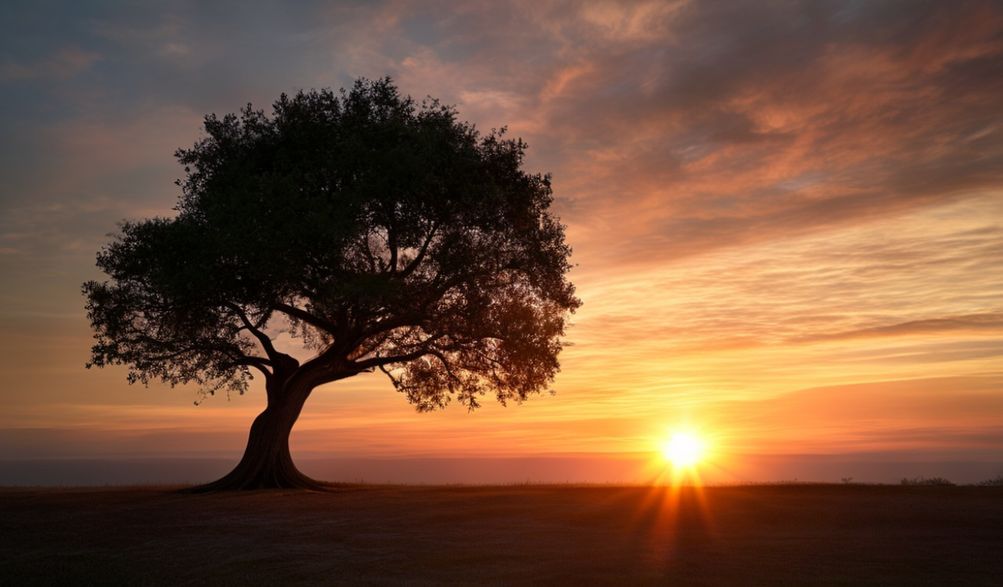
As the sun rises and sets, a fascinating phenomenon occurs, one that has captivated humans for centuries. The study of shadow behavior, in particular, has led to a deeper understanding of the intricate dance between light and darkness. At sunrise and sunset, the interplay between the sun’s rays and the Earth’s surface gives rise to a unique display of shadow behavior, one that has sparked the imagination of scientists, philosophers, and artists alike. From the prolonged shadows of dawn to the shortened silhouettes of dusk, the transformation is nothing short of mesmerizing. In this article, we will delve into the world of shadows, exploring the science behind this spectacle and uncovering the secrets that lie within.
The observation of shadows dates back to ancient civilizations, where the movement of shadows was often seen as a mystical phenomenon. The ancient Greeks, for example, believed that shadows were a manifestation of the soul, with the length and direction of a shadow revealing hidden truths about an individual’s character. Similarly, in many indigenous cultures, the study of shadows was an integral part of spiritual and astronomical practices. The ancient Egyptians, in particular, were known to have used shadows to tell time, dividing the day into two periods: the “shadow time” and the “sun time.” As our understanding of the physical world evolved, so did our comprehension of shadow behavior, paving the way for a more scientific approach to the study of shadows.
At sunrise, the sun’s rays strike the Earth’s surface at a shallow angle, resulting in elongated shadows that stretch across the landscape. This phenomenon is known as the “shadow stretch,” where the shadow of an object appears longer than its actual length. The science behind this phenomenon lies in the way light interacts with the atmosphere, with the scattering of shorter wavelengths of light, such as blue and violet, being more pronounced than longer wavelengths, like red and orange. As the sun rises higher in the sky, the angle of incidence decreases, and the shadows begin to shorten, marking the beginning of a new day. The study of shadow behavior at sunrise has numerous applications, from the fields of astronomy and geology to the world of art and architecture.
The atmosphere plays a crucial role in shaping shadow behavior, with the presence of atmospheric particles, such as dust, water vapor, and pollutants, affecting the way light scatters and interacts with the environment. During sunrise, the atmosphere is typically more dense, with a higher concentration of particles, which in turn, scatters the shorter wavelengths of light, giving rise to the characteristic orange and red hues of dawn. This phenomenon is known as Rayleigh scattering, named after the British physicist Lord Rayleigh, who first described the effect in the late 19th century. The study of shadow behavior, in this context, provides valuable insights into the composition and dynamics of the atmosphere, with implications for our understanding of climate change and air quality.
At sunset, the shadow behavior is characterized by a shorter, more compact silhouette, with the sun’s rays striking the Earth’s surface at a steeper angle. The resulting shadows are not only shorter but also more intense, with a deeper, richer color palette. The vibrant colors of sunset, from the warm oranges and pinks to the cool blues and purples, are a direct result of the scattering of light by atmospheric particles, with the shorter wavelengths being scattered more efficiently than the longer wavelengths. The study of shadow behavior at sunset has led to a greater understanding of the complex interplay between light, color, and the atmosphere, with applications in the fields of art, design, and environmental science.
The environment plays a significant role in shaping shadow behavior, with the topography, vegetation, and infrastructure of an area influencing the way shadows are cast and perceived. In urban environments, for example, the presence of tall buildings and skyscrapers can create complex shadow patterns, with multiple layers of shadows interacting and overlapping. In natural environments, the shape and density of trees, as well as the texture and color of the terrain, can affect the way shadows are cast, with the resulting patterns providing valuable information about the ecosystem and its dynamics. The study of shadow behavior, in this context, offers a unique perspective on the intricate relationships between the built and natural environments, highlighting the importance of sustainable design and urban planning.
The Perception and interpretation of shadow behavior vary across cultures and traditions, reflecting the diverse ways in which humans interact with and understand their environment. In many indigenous cultures, shadows are seen as a manifestation of the spiritual realm, with the movement of shadows believed to hold sacred significance. In other cultures, shadows are viewed as a symbol of good or evil, with the length and direction of a shadow determining an individual’s fortune or misfortune. The study of shadow behavior, in this context, provides a fascinating glimpse into the cultural and symbolic significance of shadows, highlighting the complex and multifaceted nature of human perception and experience.
The advent of digital technology has revolutionized the way we study and interact with shadow behavior, with the development of sophisticated software and algorithms enabling the simulation and analysis of complex shadow patterns. In the field of computer graphics, for example, shadow behavior is used to create realistic and immersive environments, with the simulation of shadows and lighting effects playing a crucial role in the creation of virtual worlds. In the field of architecture and urban planning, digital tools are used to analyze and optimize shadow behavior, with the goal of creating more sustainable and energy-efficient buildings and cities. The study of shadow behavior, in this context, highlights the potential of digital technology to transform our understanding of the physical world and our place within it.
Despite the fascination with shadow behavior, some argue that the study of shadows is a trivial pursuit, with little practical significance or relevance to the modern world. Others contend that the emphasis on shadow behavior is a form of nostalgia, a romanticized view of a bygone era, with little connection to the complexities and challenges of contemporary society. However, these counter-arguments overlook the profound implications of shadow behavior, from the fields of science and technology to the world of art and culture. The study of shadow behavior, in fact, offers a unique perspective on the intricate relationships between light, color, and the environment, highlighting the importance of interdisciplinary approaches to understanding the complex systems that govern our world.
In conclusion, the study of shadow behavior at sunrise and sunset reveals a complex and fascinating phenomenon, one that has captivated humans for centuries. From the science of light and color to the cultural and symbolic significance of shadows, the analysis of shadow behavior offers a unique perspective on the intricate relationships between the physical and social worlds. As we continue to explore and understand the mysteries of shadow behavior, we may uncover new insights into the nature of reality itself, highlighting the importance of interdisciplinary approaches to understanding the complex systems that govern our world. Whether we view shadows as a manifestation of the spiritual realm or a symbol of good or evil, the study of shadow behavior reminds us of the profound beauty and complexity of the world around us, inviting us to explore, discover, and marvel at the wonders of the natural world.
Ultimately, the study of shadow behavior is a journey of discovery, one that takes us to the very limits of human knowledge and understanding. As we delve deeper into the mysteries of shadows, we may uncover new secrets, challenge existing theories, and push the boundaries of human perception and experience. The world of shadows is a world of wonder, a world of awe-inspiring beauty, and a world of profound significance, waiting to be explored, analyzed, and understood. So, the next time you witness the sunrise or sunset, take a moment to appreciate the shadow behavior, and let the magic of the natural world inspire and captivate you.
- Shadow behavior is a complex and fascinating phenomenon that has captivated humans for centuries.
- The study of shadow behavior offers a unique perspective on the intricate relationships between light, color, and the environment.
- The analysis of shadow behavior has numerous applications, from the fields of science and technology to the world of art and culture.
- The cultural and symbolic significance of shadows varies across cultures and traditions, reflecting the diverse ways in which humans interact with and understand their environment.
- The study of shadow behavior reminds us of the profound beauty and complexity of the world around us, inviting us to explore, discover, and marvel at the wonders of the natural world.