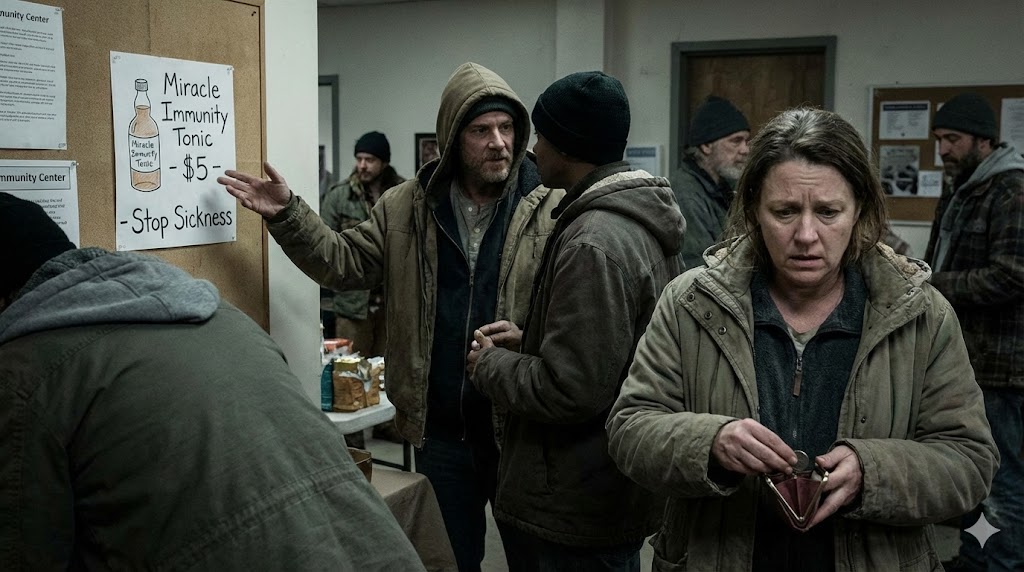
In recent years, the world has witnessed a disturbing trend – the proliferation of fake cures for various ailments, often with devastating consequences. These fake cures, peddled by unscrupulous individuals and companies, prey on the desperation of people seeking relief from chronic illnesses, terminal diseases, or even common conditions. The rise of fake cures has become a pressing concern, with many lives lost or irreparably damaged as a result of these unproven and often toxic remedies. As we delve into the world of fake cures, it becomes clear that this is a complex issue, rooted in a combination of factors, including lack of regulation, misinformation, and the exploitation of vulnerable individuals.
The concept of fake cures is not new; in fact, it has been a persistent problem throughout history. From snake oil salesmen to spiritual healers, there have always been individuals who claim to possess the solution to various health problems, often with little to no scientific basis. However, the modern era has seen a significant increase in the proliferation of fake cures, largely due to the advent of the internet and social media. These platforms have provided a vast reach and anonymity, allowing peddlers of fake cures to operate with relative impunity. Furthermore, the current healthcare landscape, characterized by rising costs and limited access to effective treatments, has created a fertile ground for fake cures to flourish.
The consequences of fake cures can be devastating, ranging from financial exploitation to physical harm and even death. Many individuals, desperate for a solution to their health problems, are willing to try anything, regardless of the lack of scientific evidence supporting its efficacy. This desperation is often exploited by those peddling fake cures, who use persuasive marketing tactics and fabricated testimonials to convince people to part with their money. In some cases, these fake cures can interact with legitimate medications, exacerbating the underlying condition or causing new, potentially life-threatening side effects. The emotional toll of fake cures should not be underestimated either, as the false hope they offer can lead to a delay in seeking proper medical attention, ultimately affecting treatment outcomes.
The Rise of Unregulated Health Supplements
The health supplement industry has experienced rapid growth in recent years, with many companies offering products that claim to cure or prevent a wide range of health issues. While some supplements may have legitimate health benefits, the industry as a whole is largely unregulated, allowing fake cures to masquerade as legitimate health products. Many of these supplements contain untested ingredients, and their manufacturing processes often fail to meet basic standards of quality and safety. The lack of oversight has led to numerous instances of contamination, adulteration, and false labeling, putting consumers at risk of serious harm. Despite these risks, the demand for health supplements continues to grow, driven in part by the perception that they offer a natural, side-effect-free alternative to conventional medications.
The Role of Social Media in Spreading Fake Cures
Social media platforms have become a primary conduit for the dissemination of fake cures, with many individuals and companies using these platforms to promote their products or services. The algorithms underlying social media platforms often prioritize sensational or provocative content, allowing fake cures to spread rapidly and reach a large audience. Furthermore, the anonymity afforded by social media enables peddlers of fake cures to operate with relative impunity, making it difficult for authorities to track and prosecute them. The use of influencers and celebrity endorsements has also become a common tactic, lending a veneer of legitimacy to fake cures and further convincing unsuspecting individuals to try them.
The Financial Burden of Fake Cures
The financial burden imposed by fake cures is significant, with many individuals spending large sums of money on unproven remedies. This financial exploitation can have long-lasting consequences, particularly for those who are already struggling to make ends meet. The cost of fake cures can also divert resources away from legitimate healthcare, leading to delayed or foregone medical treatment. In some cases, the financial burden of fake cures can even lead to bankruptcy, exacerbating the emotional and psychological toll of a serious health condition. It is essential to recognize that the pursuit of fake cures is often a symptom of a larger problem – the inadequacy of the current healthcare system to meet the needs of all individuals, particularly those with rare or complex conditions.
The Challenge of Regulation and Enforcement
Regulating and enforcing laws against fake cures is a complex challenge, requiring a multifaceted approach that involves governments, healthcare professionals, and the private sector. One of the primary difficulties is the sheer volume of fake cures, which can make it difficult for authorities to keep pace with the latest scams and schemes. Furthermore, the anonymity of the internet and the use of shell companies and other deceitful tactics can make it challenging to track down and prosecute those responsible for peddling fake cures. International cooperation is also essential, as fake cures often cross national borders, requiring a coordinated effort to combat them effectively.
The Importance of Critical Thinking and Media Literacy
Ultimately, the most effective way to combat fake cures is through education and critical thinking. By promoting media literacy and encouraging individuals to think skeptically about health claims, we can empower people to make informed decisions about their health. This involves teaching people to evaluate evidence, identify biases, and recognize the telltale signs of fake cures, such as exaggerated claims or pressure to buy immediately. Healthcare professionals also have a crucial role to play, serving as a trusted source of information and guidance for their patients. By fostering a culture of critical thinking and skepticism, we can reduce the demand for fake cures and create a more informed, health-literate public.
Some argue that the pursuit of fake cures is, in part, a response to the limitations and failures of conventional medicine. They contend that alternative therapies, even if unproven, may offer hope and relief to individuals who have exhausted all other options. While this perspective is understandable, it is essential to distinguish between legitimate alternative therapies, which are grounded in scientific evidence and subjected to rigorous testing, and fake cures, which are often nothing more than sophisticated scams. Legitimate alternative therapies can play a valuable role in healthcare, offering complementary approaches that can enhance overall well-being and improve treatment outcomes. However, these therapies must be approached with a critical and nuanced perspective, recognizing both their potential benefits and limitations.
Conclusion
In conclusion, the rise of fake cures is a complex, multifaceted problem that requires a comprehensive response. It is a problem that affects not only individuals but also the broader healthcare system, undermining trust in medical professionals and the integrity of the scientific enterprise. To combat fake cures, we must adopt a multifaceted approach, involving education, regulation, and enforcement. We must also promote critical thinking and media literacy, empowering individuals to make informed decisions about their health. Ultimately, the fight against fake cures is a fight for the integrity of healthcare itself, and it requires the collective efforts of governments, healthcare professionals, and the public to ensure that individuals receive safe, effective, and evidence-based care.
As we move forward, it is essential to recognize that the problem of fake cures is not static; it is evolving, with new scams and schemes emerging all the time. Therefore, our response must be dynamic and adaptive, leveraging the latest technologies and strategies to stay ahead of those who peddle fake cures. By working together and maintaining a vigilant, evidence-based approach, we can reduce the harm caused by fake cures and create a safer, more informed healthcare environment for all.
- Resources:
- National Institutes of Health (NIH) – https://www.nih.gov/
- Food and Drug Administration (FDA) – https://www.fda.gov/
- World Health Organization (WHO) – https://www.who.int/
By providing accurate, reliable information and promoting a culture of critical thinking, we can empower individuals to make informed decisions about their health and reduce the demand for fake cures. Together, we can create a healthier, more informed world, where the pursuit of health and wellness is guided by evidence, not deception.