Why Certain Philosophies and Symbols Reappear in Politics, Banking, and Entertainment
admin
Author
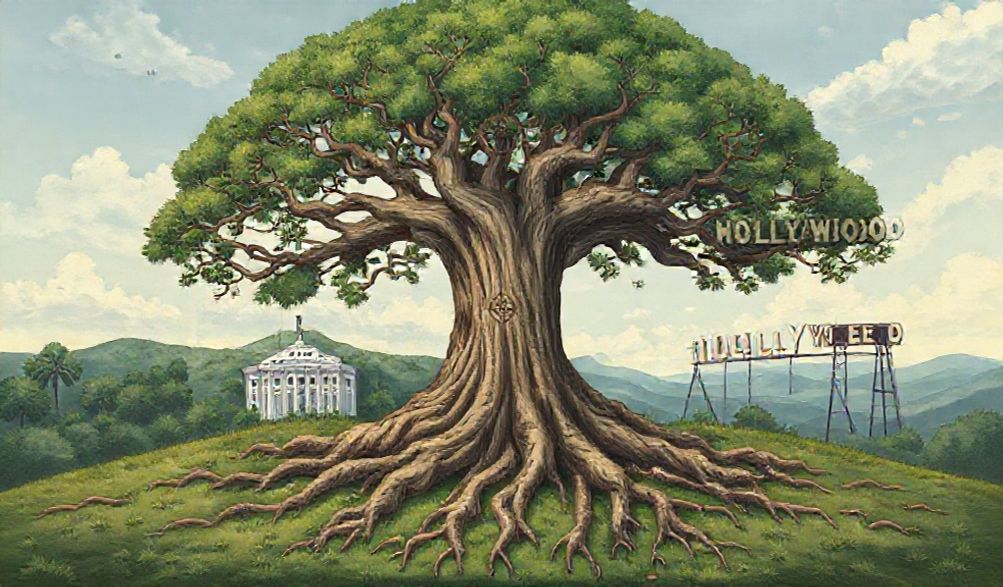
The world of politics, banking, and entertainment is filled with subtle yet powerful forces that shape our perceptions and decisions. At the heart of these forces lies the complex and often misunderstood realm of philosophy and symbolism. From the symbols on our currency to the themes in our favorite movies, it’s clear that certain philosophies and symbols have a disproportionate influence on our lives. But why do these particular philosophies and symbols dominate our culture, and what do they reveal about the underlying power structures that shape our world? In this article, we’ll embark on a journey to uncover the sinister codes that underlie our society, and explore the ways in which philosophy and symbolism are used to shape our reality.
Introduction to Philosophy and Symbolism in Power Structures
Philosophy and symbolism have long been used by those in power to convey messages, shape public opinion, and reinforce their authority. From the ancient Egyptians to modern-day politicians, symbols and philosophies have been employed to create a sense of legitimacy, unity, and purpose. However, when we scratch beneath the surface, we often find that these symbols and philosophies are not as benign as they seem. In fact, many of them are rooted in a darker history of oppression, manipulation, and control. By examining the ways in which philosophy and symbolism are used in politics, banking, and entertainment, we can gain a deeper understanding of the forces that shape our world and the ways in which they are used to maintain power and influence.
Historical Context: The Evolution of Philosophy and Symbolism in Power Structures
To understand the current state of philosophy and symbolism in politics, banking, and entertainment, we need to look at their historical context. Throughout history, various philosophies and symbols have been used to justify and reinforce the power of ruling elites. From the divine right of kings to the concept of social Darwinism, these philosophies and symbols have been used to create a sense of legitimacy and superiority among those in power. In the modern era, we see the rise of new philosophies and symbols, such as neoliberalism and the cult of personality, which have been used to shape public opinion and reinforce the dominance of corporate and financial interests.
The Influence of Ancient Cultures on Modern Philosophy and Symbolism
Ancient cultures, such as the Egyptians, Greeks, and Romans, have had a profound impact on the development of modern philosophy and symbolism. Many of the symbols and philosophies used today have their roots in these ancient cultures, and have been adapted and modified over time to suit the needs of those in power. For example, the symbol of the pyramid, which is often associated with ancient Egypt, is now used by many financial institutions and corporations to represent stability and strength. Similarly, the philosophy of Stoicism, which originated in ancient Greece, has been adopted by many modern-day politicians and business leaders as a way of justifying their actions and reinforcing their authority.
The Role of Secret Societies in Shaping Philosophy and Symbolism
Secret societies, such as the Freemasons and the Illuminati, have long been rumored to play a significant role in shaping philosophy and symbolism in politics, banking, and entertainment. While the extent of their influence is often exaggerated, it is clear that these societies have had a profound impact on the development of modern philosophy and symbolism. Many of the symbols and philosophies used by these societies, such as the all-seeing eye and the concept of the “great work,” have been adopted by mainstream culture and are now used to reinforce the power and influence of those in control.
Detailed Analysis of Philosophy and Symbolism in Politics
In the world of politics, philosophy and symbolism are used to create a sense of legitimacy and authority. Politicians often use symbols and philosophies to convey their values and ideals, and to connect with their constituents on a deeper level. However, when we look closer, we often find that these symbols and philosophies are rooted in a more sinister reality. For example, the symbol of the eagle, which is often used to represent freedom and strength, is also associated with the ancient Roman Empire and the concept of imperial power. Similarly, the philosophy of neoliberalism, which is often used to justify austerity measures and corporate dominance, has its roots in the ideas of Friedrich Hayek and Milton Friedman, who were influenced by the Austrian School of economics and the concept of social Darwinism.
Detailed Analysis of Philosophy and Symbolism in Banking and Finance
In the world of banking and finance, philosophy and symbolism are used to create a sense of trust and stability. Financial institutions often use symbols and philosophies to convey their values and ideals, and to reassure their customers that their money is safe. However, when we look closer, we often find that these symbols and philosophies are rooted in a more complex reality. For example, the symbol of the pyramid, which is often used by financial institutions to represent stability and strength, is also associated with the concept of usury and the exploitation of the poor by the wealthy. Similarly, the philosophy of Keynesian economics, which is often used to justify government intervention in the economy, has its roots in the ideas of John Maynard Keynes, who was influenced by the concept of social engineering and the idea of a planned economy.
Detailed Analysis of Philosophy and Symbolism in Entertainment
In the world of entertainment, philosophy and symbolism are used to create a sense of escapism and fantasy. Movies, TV shows, and music often use symbols and philosophies to convey themes and ideas, and to connect with their audiences on a deeper level. However, when we look closer, we often find that these symbols and philosophies are rooted in a more sinister reality. For example, the symbol of the all-seeing eye, which is often used in movies and TV shows to represent surveillance and control, is also associated with the concept of the “eye of providence” and the idea of a higher power. Similarly, the philosophy of nihilism, which is often used in movies and TV shows to convey a sense of existential despair, has its roots in the ideas of Friedrich Nietzsche and the concept of the “will to power.”
Counter-Arguments: The Role of Philosophy and Symbolism in Shaping Culture
Some argue that philosophy and symbolism play a positive role in shaping culture and society. They argue that symbols and philosophies can be used to inspire and uplift people, and to create a sense of community and shared values. While this is certainly true, it is also important to recognize the ways in which philosophy and symbolism can be used to manipulate and control people. By examining the ways in which philosophy and symbolism are used in politics, banking, and entertainment, we can gain a deeper understanding of the forces that shape our world and the ways in which they are used to maintain power and influence.
Conclusion: The Sinister Codes of Philosophy and Symbolism
In conclusion, the world of philosophy and symbolism is complex and multifaceted. While symbols and philosophies can be used to inspire and uplift people, they can also be used to manipulate and control them. By examining the ways in which philosophy and symbolism are used in politics, banking, and entertainment, we can gain a deeper understanding of the forces that shape our world and the ways in which they are used to maintain power and influence. Ultimately, it is up to us to decode the sinister codes of philosophy and symbolism, and to create a more just and equitable society that is free from the influence of oppressive power structures.
As we move forward, it is essential to recognize the ways in which philosophy and symbolism are used to shape our reality. By becoming more aware of the symbols and philosophies that surround us, we can begin to see the world in a new light and to understand the forces that shape our lives. We can also begin to create our own symbols and philosophies, ones that are rooted in a desire for justice, equality, and freedom. By doing so, we can create a brighter future for ourselves and for generations to come, one that is free from the sinister codes of philosophy and symbolism that have dominated our world for so long.
- The use of philosophy and symbolism in politics, banking, and entertainment is a complex and multifaceted issue that requires a nuanced understanding of the forces that shape our world.
- By examining the ways in which philosophy and symbolism are used in these fields, we can gain a deeper understanding of the ways in which power and influence are maintained and exercised.
- It is essential to recognize the ways in which philosophy and symbolism can be used to manipulate and control people, and to create a more just and equitable society that is free from the influence of oppressive power structures.
- Ultimately, it is up to us to decode the sinister codes of philosophy and symbolism, and to create a brighter future for ourselves and for generations to come.