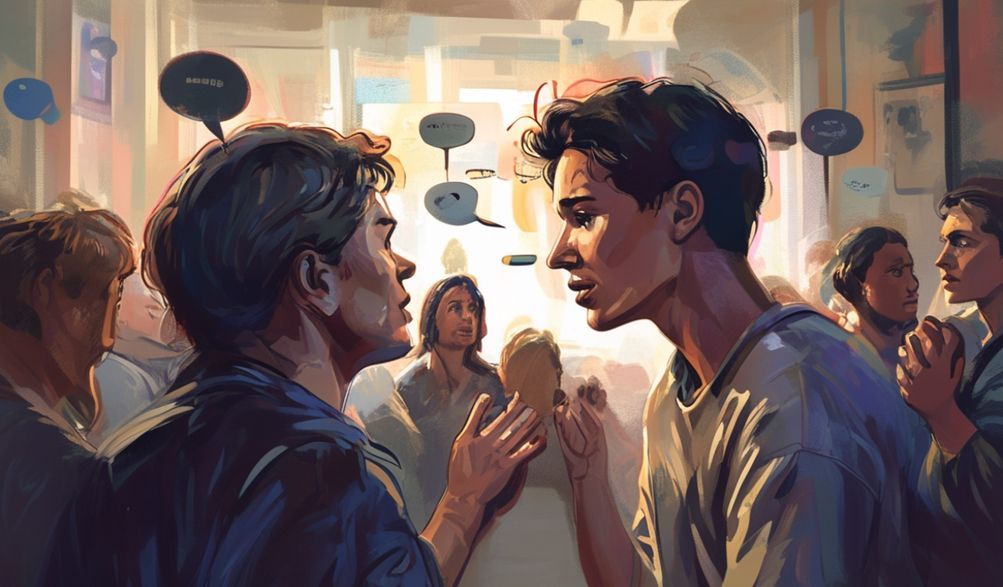
The world we live in is complex and multifaceted, with numerous issues that are often swept under the rug due to their sensitive or controversial nature. These unspoken truths can range from societal injustices to personal struggles, and their lack of discussion can have far-reaching consequences. In this article, we will delve into 10 taboo topics that nobody dares to discuss, exploring their historical context, current state, and the reasons behind their avoidance. By shedding light on these unspoken truths, we hope to spark a conversation that can lead to greater understanding, empathy, and ultimately, positive change.
The Origins of Unspoken Truths
Throughout history, various factors have contributed to the development of taboo topics. In many cases, these issues were deemed too sensitive or threatening to the status quo, leading to their suppression or avoidance. For instance, the discussion of mental health was once considered a personal matter, and those who suffered from mental illnesses were often stigmatized or institutionalized. Similarly, issues related to sex, gender, and sexuality were frequently shrouded in secrecy, with those who deviated from traditional norms facing persecution or ridicule. The historical context of these unspoken truths is essential to understanding their persistence in modern times.
Exploring the Taboo Topics
In the following sections, we will examine five detailed topics that are often considered taboo. These issues are not only relevant to contemporary society but also intertwined with the unspoken truths that have been hidden for centuries. By exploring these topics, we can gain a deeper understanding of the complexities surrounding them and the reasons behind their avoidance.
Mental Health and the Stigma Surrounding It
Mental health is a critical aspect of overall well-being, yet it remains one of the most stigmatized topics in modern society. Many people struggle with mental illnesses such as depression, anxiety, or bipolar disorder, but the fear of being judged or ostracized prevents them from seeking help. This stigma is often perpetuated by societal expectations, cultural norms, and a lack of education about mental health. To break down these barriers, it is essential to create a supportive environment where individuals feel comfortable discussing their mental health without fear of retribution or judgment.
The Unspoken Truths of Sex Work and Human Trafficking
Sex work and human trafficking are two interconnected issues that are often shrouded in secrecy and misconception. While some individuals choose to engage in sex work as a means of empowerment or financial stability, others are coerced or forced into the industry through human trafficking. The lack of discussion surrounding these topics has led to the perpetuation of harmful stereotypes and the marginalization of those involved. By exploring the complexities of sex work and human trafficking, we can work towards creating a more nuanced understanding of these issues and developing effective solutions to combat exploitation.
The Impact of Social Media on Self-Esteem and Body Image
Social media has become an integral part of modern life, with billions of people around the world using platforms like Instagram, Facebook, and Twitter. However, the constant exposure to curated and manipulated content can have a profound impact on self-esteem and body image. The proliferation of unrealistic beauty standards, coupled with the pressure to present a perfect online persona, can lead to feelings of inadequacy, low self-esteem, and body dissatisfaction. By acknowledging the unspoken truths surrounding social media’s influence on mental health, we can work towards promoting a more positive and inclusive online environment.
The Taboo of Discussing Finances and Debt
Financial struggles are a common experience for many individuals, yet the topic of debt and financial instability remains largely taboo. The stigma surrounding debt can prevent people from seeking help or discussing their financial struggles openly, leading to further financial difficulties and emotional distress. By breaking down the barriers surrounding financial discussions, we can create a more supportive community where individuals feel empowered to address their financial concerns and work towards achieving financial stability.
The Unspoken Truths of Aging and End-of-Life Care
Aging and end-of-life care are inevitable aspects of the human experience, yet they are often avoided in conversation. The fear of mortality, coupled with the lack of education about aging and end-of-life care, can lead to a lack of preparedness and support for individuals facing these challenges. By exploring the unspoken truths surrounding aging and end-of-life care, we can work towards creating a more compassionate and supportive society that values the dignity and well-being of all individuals, regardless of age or health status.
The Challenges of Discussing Unspoken Truths
While discussing unspoken truths is essential for creating a more open and empathetic society, there are also challenges and counter-arguments to consider. Some may argue that discussing taboo topics can be hurtful or offensive to certain individuals or groups, or that it can perpetuate harmful stereotypes or stigma. Others may claim that these topics are too complex or sensitive to be addressed in a public forum. However, by approaching these discussions with sensitivity, respect, and an open mind, we can work towards creating a more nuanced understanding of the issues and developing effective solutions to address them.
The Power of Unspoken Truths
In conclusion, the unspoken truths that surround us are a testament to the complexities and challenges of human experience. By exploring these taboo topics and acknowledging their existence, we can work towards creating a more compassionate and supportive society. The discussion of unspoken truths is not about perpetuating harm or offense but about promoting understanding, empathy, and positive change. As we move forward, it is essential to continue exploring these topics, to listen to the stories and experiences of those affected, and to work towards creating a world where all individuals can live without fear of judgment or retribution. Only by confronting the unspoken truths can we hope to build a brighter, more inclusive future for all.
Ultimately, the power of unspoken truths lies in their ability to challenge our assumptions, to prompt us to think critically, and to inspire us to take action. By embracing these topics and engaging in open and honest discussions, we can break down the barriers that have prevented us from addressing them in the past. The time has come to acknowledge the unspoken truths that surround us, to confront the challenges they pose, and to work towards creating a more just, equitable, and compassionate world for all.
- By exploring the historical context of unspoken truths, we can gain a deeper understanding of their persistence in modern times.
- The discussion of unspoken truths is essential for creating a more open and empathetic society.
- Breaking down the barriers surrounding unspoken truths requires a nuanced understanding of the issues and a willingness to engage in sensitive and respectful discussions.
- The power of unspoken truths lies in their ability to challenge our assumptions, prompt us to think critically, and inspire us to take action.
- By acknowledging and addressing unspoken truths, we can work towards creating a more just, equitable, and compassionate world for all.