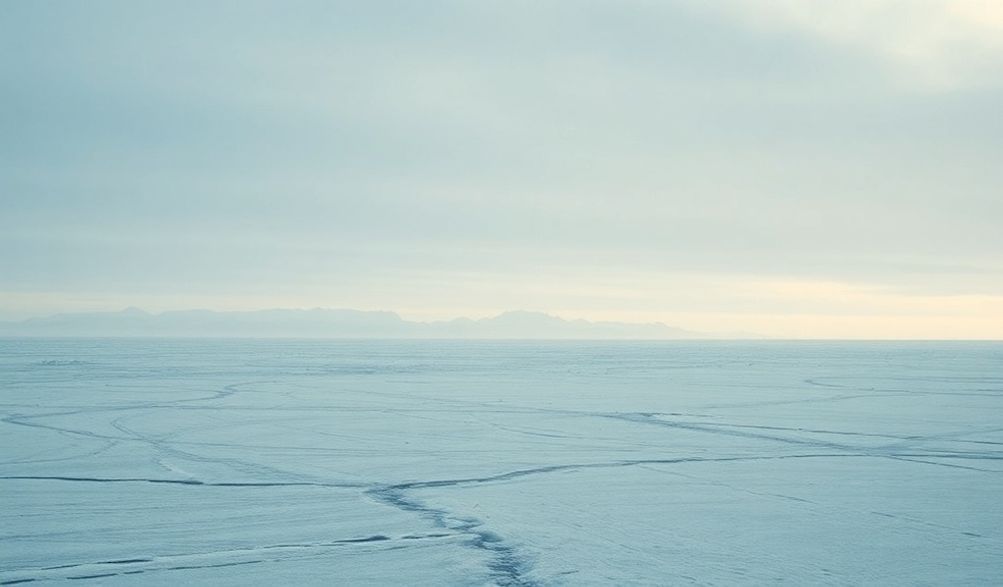
The frozen continent of Antarctica has long been shrouded in an aura of mystery, its icy landscapes and unforgiving climate inspiring a sense of awe and trepidation in all who dare to venture near. This is a place where the wind whispers secrets to the snow, and the world beyond its shores is often referred to as being enveloped in the “Southern Silence”. For centuries, the allure of Antarctica has drawn explorers, scientists, and adventurers, each seeking to unravel the secrets that lie beyond its icy veil. Yet, despite the many discoveries that have been made, the continent remains a place of profound enigma, with much of its history, geology, and wildlife still waiting to be fully understood.
Introduction to the Southern Silence
Antarctica’s remoteness and inaccessibility have made it one of the most difficult places on Earth to explore. The continent is surrounded by the Southern Ocean, a vast and tempestuous sea that has claimed the lives of many who have attempted to navigate its waters. The harsh climate, with temperatures often dropping below -40°C and winds reaching speeds of over 100 km/h, makes it a challenging environment for humans to survive, let alone conduct scientific research. And yet, it is precisely this isolation that has allowed Antarctica to remain a pristine and untouched wilderness, a place where scientists can study the natural world in a state of relative purity.
Historical Context of Antarctic Exploration
The history of Antarctic exploration is a long and storied one, with many notable expeditions and discoveries having been made over the years. From the early voyages of James Cook and Fabian von Bellingshausen, to the heroic era of exploration led by Robert Falcon Scott and Ernest Shackleton, each successive wave of explorers has sought to push the boundaries of human knowledge and understanding. The discovery of the Antarctic Peninsula, the mapping of the continent’s coastline, and the establishment of the first permanent research stations have all contributed to our growing awareness of this enigmatic land. And yet, despite these many advances, the “Southern Silence” remains, a reminder of the vast and unbridgeable gap that still exists between our understanding of Antarctica and the reality of this mysterious continent.
Section 1: Geology and Landscapes
Antarctica is a continent of breathtaking geological diversity, with landscapes that range from the towering mountain ranges of the Transantarctic Mountains to the vast, ice-filled valleys of the West Antarctic Rift System. The continent’s geology is characterized by a unique combination of Precambrian rocks, formed over 2.5 billion years ago, and more recent volcanic and tectonic activity. The ice sheets that cover much of Antarctica are also of great interest, with scientists seeking to understand the complex interactions between the ice, the ocean, and the atmosphere. By studying the geological history of Antarctica, researchers can gain valuable insights into the Earth’s climate, the formation of continents, and the evolution of life on our planet.
- The Transantarctic Mountains are a major geological feature of Antarctica, stretching over 3,500 km across the continent.
- The West Antarctic Rift System is a zone of intense tectonic activity, with many active volcanoes and a complex network of faults and fissures.
- The Antarctic ice sheets are up to 4,776 meters thick in some areas, and contain over 70% of the world’s fresh water.
Section 2: Wildlife and Ecosystems
Despite the harsh and inhospitable climate, Antarctica is home to a surprising array of wildlife, from the iconic penguins and seals to the tiny, microscopic organisms that thrive in the continent’s icy waters. The Antarctic ecosystem is characterized by a unique combination of species that have adapted to the extreme conditions, with many organisms having evolved specialized physiological and behavioral traits to survive in this environment. By studying the wildlife and ecosystems of Antarctica, scientists can gain a deeper understanding of the complex interactions between species and their environment, and the impact of human activities on the natural world.
- There are several species of penguins that breed in Antarctica, including the Adelie, Chinstrap, and Emperor penguins.
- The Antarctic fur seal is one of the most common species of seal found in Antarctica, with a population of over 1 million individuals.
- The Antarctic cod is a species of fish that has adapted to the cold, dark waters of the Southern Ocean, with a specialized physiology that allows it to survive in these conditions.
Section 3: Climate Change and the Southern Silence
Antarctica is often referred to as the “canary in the coal mine” of climate change, with the continent’s ice sheets and glaciers being highly sensitive to changes in the global climate. The “Southern Silence” is a reminder of the vast and unbridgeable gap that still exists between our understanding of Antarctica and the reality of this mysterious continent, and the impact of human activities on the climate is a major concern for scientists and policymakers. By studying the climate of Antarctica, researchers can gain valuable insights into the complex interactions between the atmosphere, oceans, and ice sheets, and the potential consequences of human-induced climate change.
- The Antarctic ice sheets are losing mass at a rate of over 150 billion tons per year, contributing to sea level rise and changes in ocean currents.
- The Antarctic Peninsula is one of the fastest-warming regions on Earth, with temperatures rising by over 3°C in the past 50 years.
- The Southern Ocean plays a critical role in the global carbon cycle, with the ocean absorbing over 40% of the carbon dioxide emitted by human activities.
Section 4: Scientific Research and Exploration
Scientific research and exploration are essential components of our understanding of Antarctica, with scientists from around the world conducting research in a wide range of disciplines, from geology and biology to physics and astronomy. The “Southern Silence” is a reminder of the vast and unbridgeable gap that still exists between our understanding of Antarctica and the reality of this mysterious continent, and scientists are working to bridge this gap through a variety of research initiatives and expeditions. By studying the natural world in Antarctica, researchers can gain valuable insights into the complex interactions between the Earth’s systems, and the potential consequences of human activities on the environment.
- The Antarctic Treaty System provides a framework for international cooperation and scientific research in Antarctica, with over 50 countries participating in the treaty.
- The Antarctic research stations are a critical component of scientific research in Antarctica, providing a base for scientists to conduct fieldwork and collect data.
- The use of remote sensing technologies, such as satellite imagery and autonomous vehicles, is becoming increasingly important for scientific research in Antarctica, allowing scientists to study the continent in greater detail than ever before.
Section 5: Conservation and Management
Conservation and management are critical components of our relationship with Antarctica, with the continent’s unique and fragile ecosystems requiring special protection and care. The “Southern Silence” is a reminder of the vast and unbridgeable gap that still exists between our understanding of Antarctica and the reality of this mysterious continent, and conservation efforts are essential to preserving the natural beauty and scientific value of the continent. By working together to protect and conserve Antarctica, we can ensure that this unique and fascinating continent remains a source of inspiration and wonder for generations to come.
- The Antarctic Treaty System provides a framework for conservation and management of Antarctica, with protocols and agreements in place to protect the continent’s ecosystems and wildlife.
- The Antarctic and Southern Ocean Coalition is a non-governmental organization that works to promote conservation and sustainable management of Antarctica and the Southern Ocean.
- The use of sustainable and environmentally-friendly practices is essential for conservation and management of Antarctica, with scientists and policymakers working to minimize the impact of human activities on the continent.
Counter-Arguments and the Southern Silence
Despite the many advances that have been made in our understanding of Antarctica, there are still many who argue that the continent is too remote, too inhospitable, and too expensive to explore and study. The “Southern Silence” is a reminder of the vast and unbridgeable gap that still exists between our understanding of Antarctica and the reality of this mysterious continent, and some argue that the costs and challenges of scientific research in Antarctica outweigh the potential benefits. However, these arguments ignore the critical role that Antarctica plays in the Earth’s systems, and the potential consequences of human activities on the climate and the environment.
Conclusion and the Southern Silence
In conclusion, Antarctica remains a continent of profound mystery and enchantment, a place where the “Southern Silence” still prevails. Despite the many advances that have been made in our understanding of the continent, there is still much to be discovered, and much to be learned. By continuing to explore and study Antarctica, we can gain valuable insights into the complex interactions between the Earth’s systems, and the potential consequences of human activities on the environment. The “Southern Silence” is a reminder of the vast and unbridgeable gap that still exists between our understanding of Antarctica and the reality of this mysterious continent, and it is up to us to bridge this gap through scientific research, conservation, and sustainable management.