Introduction to the Nazca Lines
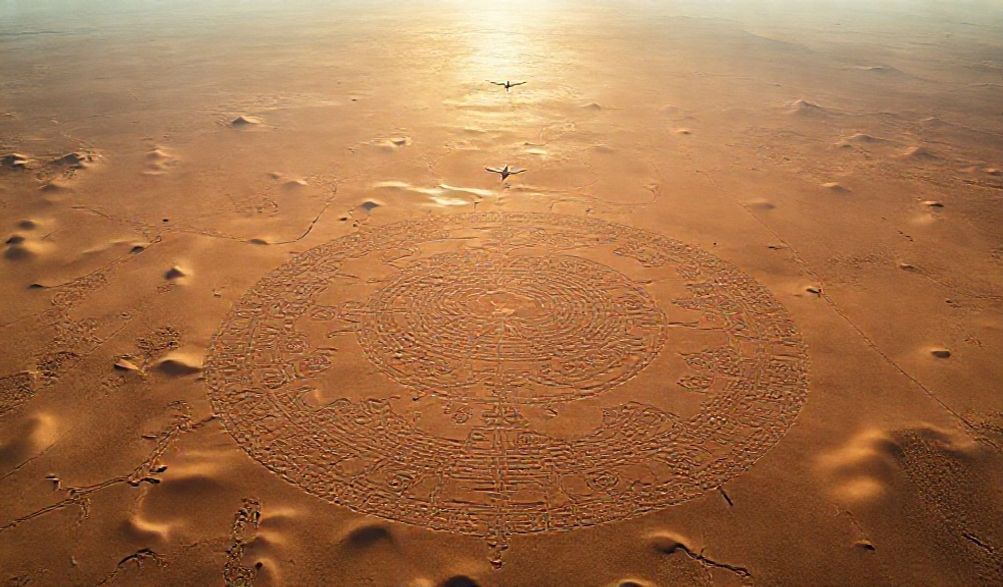
The Nazca Lines, located in southern Peru, are one of the most fascinating and mysterious geological formations in the world. These large-scale geoglyphs, etched into the desert floor, have been a subject of interest and speculation for decades. But what makes them truly unique is that they can only be fully appreciated and understood from high above the ground.
History and Discovery
The Nazca Lines were first discovered in the 1920s by Peruvian archaeologist Toribio Mejía Xesspe, but it wasn’t until the 1930s, when aircraft began to fly over the area, that the true extent and complexity of these designs became apparent. The lines were created by the Nazca culture between 500 BCE and 500 CE, and they depict a wide range of subjects, including animals, plants, and geometric shapes.
Observing the Nazca Lines
To truly see and understand the Nazca Lines, one must take to the skies. The best way to observe these geoglyphs is by flying over them in a small aircraft or helicopter. From this vantage point, the intricate designs and patterns become clear, and the sheer scale of the formations is breathtaking. Some of the most notable designs include the hummingbird, the monkey, and the astronaut.
Preservation Efforts
Due to their fragile nature and the threat of erosion, the Nazca Lines are a protected UNESCO World Heritage site. Efforts are being made to preserve the lines and prevent damage from both natural and human causes. Visitors can support these efforts by choosing responsible tour operators and respecting the site’s rules and regulations.
- Respect the lines and do not touch or walk on them.
- Choose a reputable tour operator that follows sustainable tourism practices.
- Support local conservation initiatives.