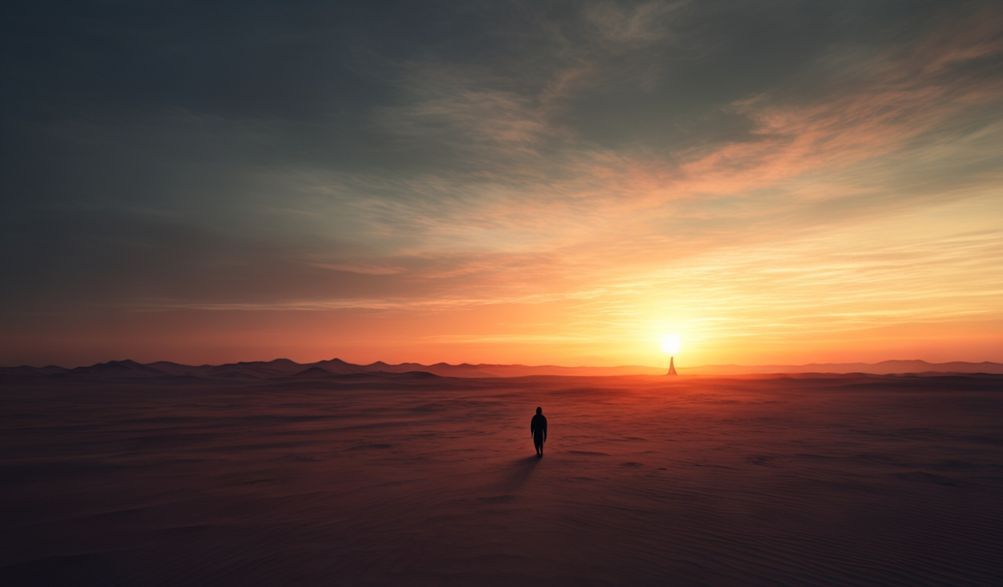
Imagine standing in one of the world’s quietest places, where the absence of sound is almost deafening. These areas, scattered across the globe, are characterized by an eerie silence that can be both fascinating and unsettling. From the stillness of the Antarctic wilderness to the muffling effects of certain natural formations, the quietest places on Earth are a subject of intrigue for scientists, explorers, and the general public alike. In this article, we will delve into the world of these exceptional locations, exploring their unique properties and the science behind the unusual sound behavior that occurs within them.
Introduction to the Quietest Places
The concept of quietest places is not just about the lack of noise; it’s also about the way sound behaves in these environments. In many cases, the quietest places on Earth are not just silent but also exhibit peculiar acoustic properties, such as the ability to dampen or alter sound waves in unexpected ways. This phenomenon has sparked the interest of researchers, who seek to understand the underlying mechanisms and potential applications of these unique sound behaviors. Whether it’s the vast expanses of deserts, the depths of oceans, or the isolation of remote islands, the quietest places offer a glimpse into a world where sound doesn’t always behave as expected.
Historical Context of Sound and Silence
Throughout history, humans have had a complex relationship with sound and silence. From the reverent silence of ancient temples to the bustling noise of modern cities, our perception and appreciation of sound have evolved significantly over time. The study of acoustics, as a scientific discipline, has its roots in ancient Greece, where philosophers like Aristotle explored the properties of sound. However, it wasn’t until the 19th and 20th centuries that the field of acoustics began to delve into the complexities of sound behavior in various environments. The discovery of places where sound doesn’t behave according to conventional rules has opened up new avenues for research, challenging our understanding of acoustics and prompting further investigation into the world’s quietest places.
Understanding Sound Behavior
Before diving into the specifics of the quietest places, it’s essential to understand the basics of sound behavior. Sound waves are a form of mechanical wave that propagates through a medium, such as air, water, or solids. The speed, frequency, and amplitude of these waves determine the characteristics of the sound we perceive. In most environments, sound behaves predictably, following the laws of physics that govern wave propagation. However, in certain locations, unique combinations of geography, climate, and materials can alter sound behavior, leading to the unusual acoustic properties found in the quietest places.
Detailed Exploration of the Quietest Places
This section will explore five distinct locations that are renowned for their quietness and unique sound behaviors. Each of these places offers a fascinating example of how the natural world can manipulate sound in unexpected ways.
The Sossusvlei Desert in Namibia
The Sossusvlei Desert, located in southern Namibia, is known for its towering sand dunes and eerie silence. This desert is one of the quietest places on Earth due to its remote location and the absence of any significant wildlife or human activity. The unique shape and size of the dunes also contribute to the acoustic properties of the area, as they can absorb and dissipate sound waves. Researchers have found that the Sossusvlei Desert is an ideal location for studying the propagation of sound waves in a virtually noise-free environment.
The Orfield Laboratories in Minnesota, USA
The Orfield Laboratories, situated in Minneapolis, Minnesota, are home to what is often referred to as the quietest place on Earth. This anechoic chamber, designed to absorb over 99% of sound, is used for a variety of acoustic tests, including the measurement of sound levels in extremely quiet environments. The chamber’s interior is covered with specialized wedges that absorb sound waves, creating an environment that is almost completely silent. This facility is a prime example of how human ingenuity can create one of the quietest places, even in the midst of a bustling city.
The Redwood Forests of Northern California, USA
The Redwood Forests in Northern California are a natural wonder, with some of the tallest trees on Earth creating a canopy that filters out much of the external noise. The dense foliage and the specific arrangement of the trees contribute to the quiet ambiance of the forest, making it one of the quietest places in the world. Scientists have studied the acoustic properties of these forests, discovering that the unique combination of tree density and forest floor materials can dampen sound waves, resulting in an environment that is both visually and aurally stunning.
The Antarctic Wilderness
Antarctica, the coldest and most remote continent on Earth, is also home to some of the quietest places. The lack of vegetation, wildlife, and human activity, combined with the extreme climate, creates an environment that is almost devoid of sound. Researchers have noted that the Antarctic wilderness offers a unique opportunity to study the propagation of sound waves in a pristine, noise-free environment. The ice sheets and glaciers that cover most of the continent also exhibit interesting acoustic properties, as they can reflect, absorb, and even generate sound under certain conditions.
The Caverns of Lechuguilla in New Mexico, USA
Deep within the Carlsbad Caverns National Park in New Mexico lies the Lechuguilla Cave, one of the deepest and most extensive cave systems in the world. This cavern is notable not only for its geological formations but also for its silence. The depth and isolation of the cave, combined with its unique geological features, make it one of the quietest places on the planet. Scientists have explored the acoustic properties of the cave, finding that the limestone walls and the specific geometry of the cave passages can significantly alter sound waves, creating an otherworldly acoustic environment.
Counter-Arguments: The Perception of Quiet
While the concept of the quietest places is intriguing, it’s also important to consider the subjective nature of sound perception. What one person considers quiet, another might not. The perception of sound is influenced by a variety of factors, including personal experience, cultural background, and psychological state. Furthermore, the pursuit of identifying the quietest places can be seen as a somewhat arbitrary endeavor, as the measurement of sound levels can vary greatly depending on the methods and tools used. However, despite these challenges, the study of quietest places offers valuable insights into the physics of sound and our relationship with the acoustic environment.
Quietest Places and Their Significance
The exploration of the quietest places on Earth serves as a reminder of the complexity and beauty of the natural world. These locations, whether natural or man-made, offer a unique window into the behavior of sound waves and the factors that influence them. By studying these environments, scientists can gain a deeper understanding of acoustics and develop new technologies and materials that can manipulate sound in innovative ways. Moreover, the quietest places invite us to reflect on our own relationship with sound and silence, encouraging a greater appreciation for the intricate balance between noise and quiet in our daily lives.
Conclusion: The Fascination with Quiet
The world’s quietest places are more than just areas devoid of sound; they are environments that challenge our understanding of acoustics and prompt us to reconsider our perception of sound and silence. From the deserts and forests to the laboratories and caves, each of these locations offers a unique perspective on the behavior of sound waves and their interaction with the environment. As we continue to explore and study these quietest places, we are reminded of the awe-inspiring complexity of the world around us and the endless mysteries waiting to be uncovered. Whether in the pursuit of scientific knowledge or personal contemplation, the quietest places on Earth stand as testaments to the fascinating and often unexpected ways in which sound can behave, inviting us to listen more closely to the world and its many wonders.
As we conclude this journey through the quietest places on Earth, we are left with a profound appreciation for the beauty of silence and the intricate dance of sound waves that fill our world. The study of these exceptional locations not only expands our knowledge of acoustics but also inspires a deeper connection with the natural world, encouraging us to embrace the quiet, to listen to the silence, and to find solace in the stillness that surrounds us.