The Weirdest Sky Illusions That Make People Doubt What They’re Seeing
admin
Author
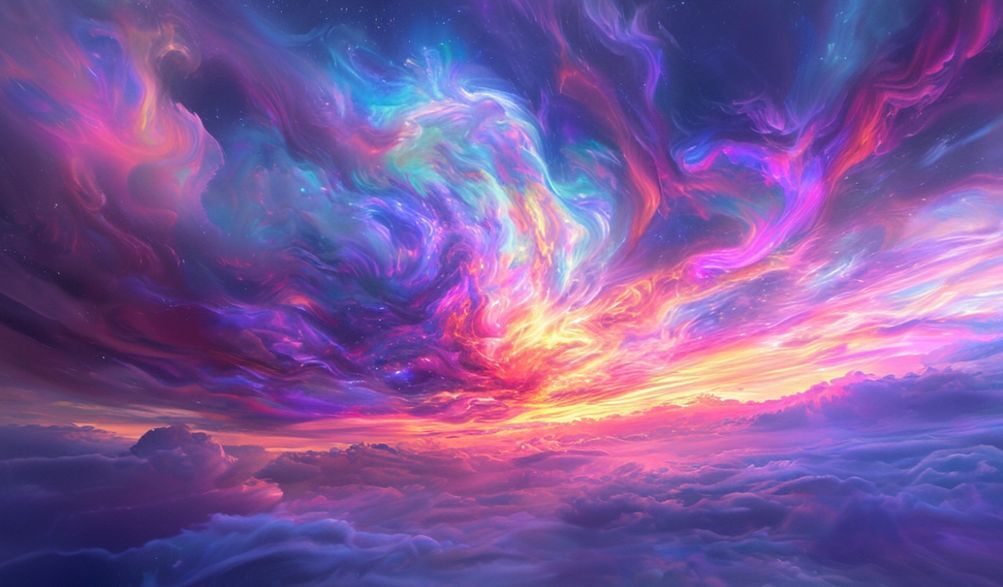
The world of optics is full of fascinating phenomena, and one of the most captivating areas of study is that of sky illusions. These mind-bending visual effects can make us question our perception of reality, leaving us wondering what is real and what is just a trick of the light. From the majestic mirages that appear on the horizon to the dazzling displays of color that dance across the sky, sky illusions are a true marvel of nature. In this article, we will delve into the world of sky illusions, exploring the science behind these incredible phenomena and examining 10 of the most bizarre sky illusions that will blow your mind.
Introduction to Sky Illusions
Sky illusions have been a source of fascination for humans throughout history. From the ancient Greeks to modern-day scientists, people have been captivated by the way that light and atmosphere can combine to create incredible visual effects. One of the most famous examples of a sky illusion is the mirage, which appears as a distorted image of a distant object, often appearing as a pool of water or an inverted image of a tree or building. But sky illusions are not just limited to mirages; they can take many forms, including glories, halos, and sun dogs, each with its own unique characteristics and scientific explanations.
Historical Context of Sky Illusions
The study of sky illusions dates back thousands of years, with ancient civilizations such as the Egyptians and Greeks recording observations of these phenomena. The Greek philosopher Aristotle was one of the first scientists to study sky illusions, and his work on the subject laid the foundation for later researchers. In the 17th and 18th centuries, scientists such as Isaac Newton and Christiaan Huygens made significant contributions to our understanding of light and optics, which helped to explain many of the sky illusions that had been observed. Today, the study of sky illusions is a thriving field of research, with scientists using advanced computer models and laboratory experiments to study these phenomena in greater detail.
The Science Behind Sky Illusions
Sky illusions are created by the interaction of light with the atmosphere, and can be influenced by a range of factors, including temperature, humidity, and air pressure. One of the key principles behind sky illusions is the concept of refraction, which occurs when light passes from one medium to another with a different optical density. This can cause the light to bend, or refract, resulting in a distorted image of the original object. Another important factor is the presence of aerosols and particles in the atmosphere, which can scatter light and create a range of visual effects, from the bright colors of a sunset to the shimmering appearance of a mirage.
10 Bizarre Sky Illusions
In this section, we will explore 10 of the most bizarre sky illusions that will blow your mind. These include:
- Mirages: distorted images of distant objects that appear as a result of refraction
- Glories: circular rings of color that appear around an object, often in the presence of fog or mist
- Sun dogs: bright spots of light that appear on either side of the sun, caused by the refraction of light through ice crystals
- Halos: rings of light that appear around the sun or moon, caused by the refraction of light through ice crystals
- Light pillars: columns of light that appear to extend from the horizon to the sky, caused by the reflection of light off ice crystals
- Ice halos: rings of light that appear around the sun or moon, caused by the refraction of light through ice crystals in the atmosphere
- Cloud iridescence: the appearance of colors in clouds, caused by the diffraction of light through water droplets or ice crystals
- Moon bows: bows of color that appear in the sky at night, caused by the refraction of light through water droplets or ice crystals
- Sun pillars: columns of light that appear to extend from the sun to the sky, caused by the reflection of light off ice crystals
- Atmospheric optics: the study of the interaction of light with the atmosphere, which can create a range of visual effects, from the bright colors of a sunset to the shimmering appearance of a mirage
Understanding the Physics of Sky Illusions
In order to understand the physics behind sky illusions, it is necessary to have a basic understanding of the principles of optics and the behavior of light. One of the key principles is the concept of total internal reflection, which occurs when light hits a surface at a shallow angle and is reflected back into the original medium. This can create a range of visual effects, including the bright colors of a sunset and the shimmering appearance of a mirage. Another important principle is the concept of diffraction, which occurs when light passes through a narrow opening or around a corner, resulting in a range of visual effects, from the bright colors of a cloud to the appearance of a halo around the sun or moon.
Exploring the World of Sky Illusions
Sky illusions can be found all around the world, and can be observed in a range of different environments, from the freezing tundra to the scorching deserts. One of the best places to observe sky illusions is in the polar regions, where the cold air and ice crystals can create a range of visual effects, including halos, sun dogs, and light pillars. Another great place to observe sky illusions is in the deserts, where the hot air and lack of humidity can create a range of visual effects, including mirages and sun pillars. Whether you are a scientist, a photographer, or simply someone who appreciates the beauty of nature, sky illusions are a true marvel that are worth exploring.
Counter-Arguments and Criticisms
While sky illusions are a fascinating area of study, there are also some counter-arguments and criticisms that are worth considering. One of the main criticisms is that sky illusions are often misinterpreted or exaggerated, with some people claiming to have seen things that are not actually there. This can be due to a range of factors, including the power of suggestion, the influence of prior expectations, and the limitations of human perception. Another criticism is that the study of sky illusions is not always taken seriously, with some people viewing it as a fringe area of research. However, the study of sky illusions is a legitimate area of scientific inquiry, and can provide valuable insights into the behavior of light and the nature of the atmosphere.
Conclusion: The Wonders of Sky Illusions
In conclusion, sky illusions are a fascinating area of study that can provide valuable insights into the behavior of light and the nature of the atmosphere. From the majestic mirages that appear on the horizon to the dazzling displays of color that dance across the sky, sky illusions are a true marvel of nature. Whether you are a scientist, a photographer, or simply someone who appreciates the beauty of nature, sky illusions are worth exploring and learning more about. By understanding the science behind these phenomena, we can gain a deeper appreciation for the complexity and beauty of the natural world, and can develop new technologies and applications that take advantage of the unique properties of light and the atmosphere. So next time you are outside and see a strange or unusual visual effect in the sky, take a moment to stop and appreciate the wonder of sky illusions.