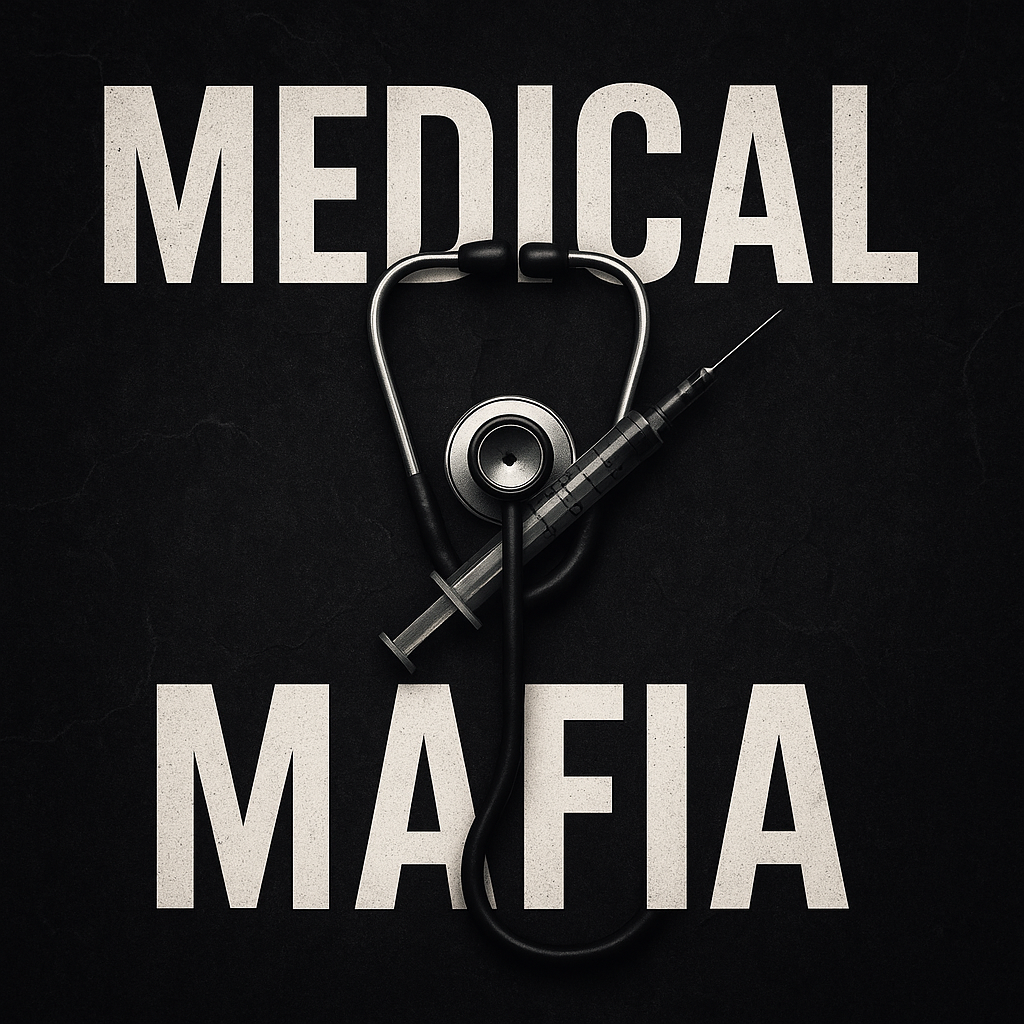
The Medical Mafia: How Profit Overshadows Patient Care
When most people think of healthcare, they imagine doctors dedicated to saving lives and companies creating medicines to cure disease. But beneath the white coats and glossy advertisements lies a darker reality — what many call the “medical mafia.”
This term doesn’t refer to gangsters in dark suits, but rather to a system where powerful pharmaceutical corporations, hospital networks, insurance companies, and even government agencies collude to control the healthcare industry. Their priority is often profit — not patients.
1. Big Pharma and the Price of Pills
Medicines that cost only a few dollars to produce are sold at hundreds or even thousands of dollars per dose. Why? Because corporations control patents and use legal loopholes to block cheaper alternatives. Insulin, for example, costs just a few dollars to make, yet patients in some countries pay hundreds each month to survive.
2. Suppressing the Cure to Sell the Treatment
A common criticism is that the industry thrives not on curing diseases, but on keeping patients dependent on lifelong treatments. Natural remedies, alternative medicine, or even promising research often get ignored or discredited because they can’t be patented — meaning they don’t generate billions in revenue.
3. Insurance Games and Hospital Profits
Hospitals and insurance companies work hand in hand, creating a maze of bills, co-pays, and hidden charges. Ordinary people are left drowning in debt after a single emergency visit, while executives take home multimillion-dollar bonuses.
4. Media and Academic Capture
Most medical research today is funded by pharmaceutical corporations. That means studies are often designed to favor the sponsor’s drug while downplaying risks. Meanwhile, mainstream media outlets rely heavily on advertising dollars from these same companies, ensuring that negative stories rarely make the headlines.
5. Whistleblowers Silenced
Doctors and scientists who dare to challenge the system often face ridicule, loss of funding, or even the end of their careers. The “medical mafia” maintains its control not just through money, but through fear.
Conclusion: A Call for Transparency
The idea of a medical mafia may sound extreme, but the evidence is clear: healthcare today is less about health and more about business. Real reform means demanding transparency, encouraging independent research, and putting patients above profits.
The system may be powerful, but awareness is the first step toward change. Once people begin to see the hidden hands controlling their health, they can push back and reclaim what healthcare should always be about: healing.