The Flower-Water Cure Scam: How Fake Medicine Beliefs Quietly Go Viral
admin
Author
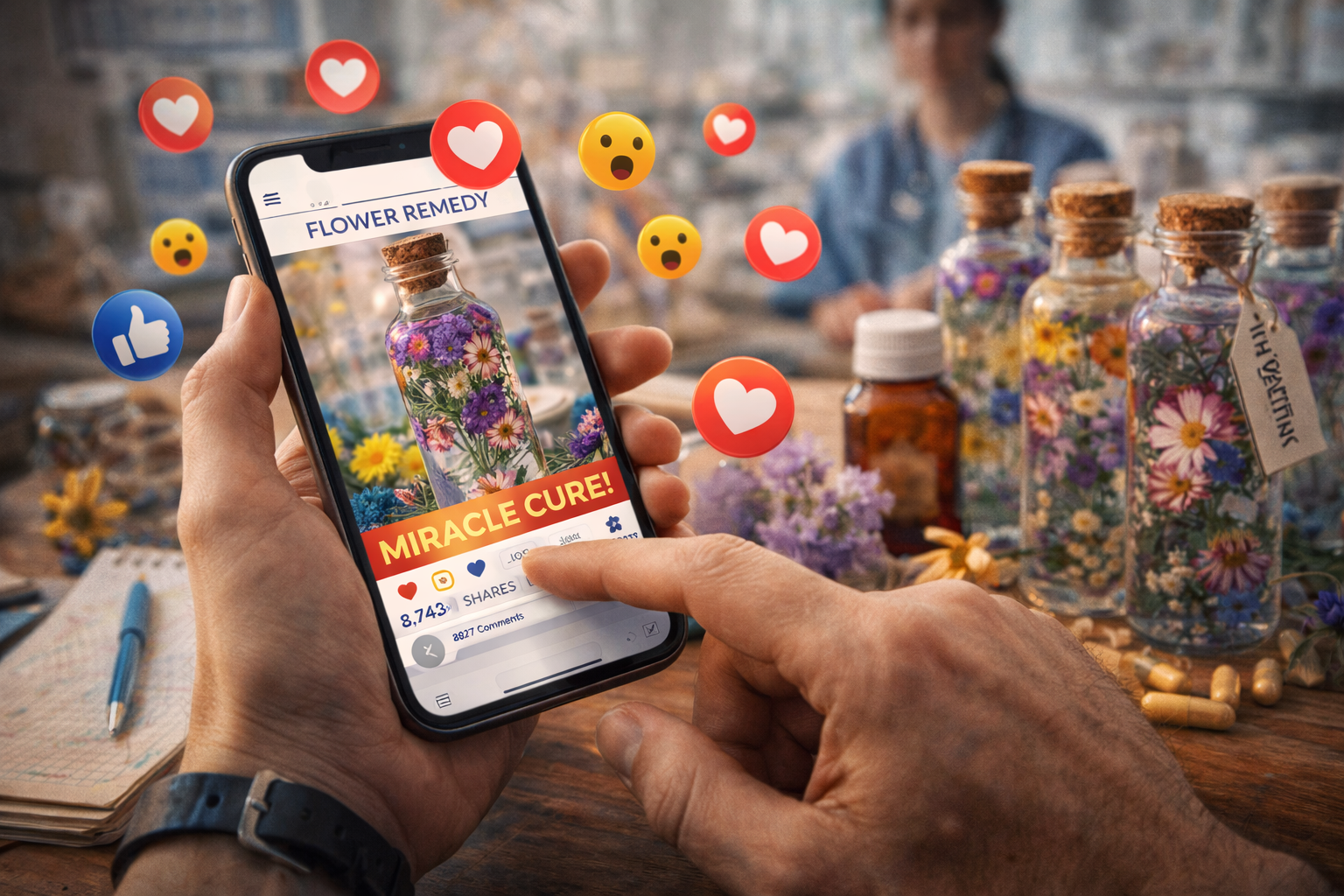
In many parts of the world, a quiet kind of scam is spreading—one that doesn’t arrive through spam emails or shady websites, but through trusted voices. A neighbor. A relative. A WhatsApp forward. A short video claiming that water dyed with color from a flower can cure cholesterol, diabetes, or melt away fat in days.
It sounds harmless. Just water. Just flowers. Just nature.
That’s exactly why it works.
When “Natural” Becomes a Shield
The most powerful word in fake medicine scams is not cure—it’s natural. The moment something is labeled natural, many people stop questioning it. Flowers, herbs, seeds, and roots feel ancient, safe, and familiar. Scammers exploit this instinct by presenting ordinary plant dyes as “activated water,” “energy-infused liquid,” or “ancestral medicine rediscovered.”
No chemicals. No side effects. No doctors needed.
Just drink it daily and watch your numbers drop.
But biology doesn’t work on belief alone.
How These Scams Actually Spread
Unlike obvious frauds, fake medicine beliefs grow socially. They don’t rely on ads—they rely on people.
It usually starts with a story:
-
“My uncle’s sugar dropped in two weeks.”
-
“Doctors couldn’t explain it.”
-
“They don’t want you to know this.”
These claims spread fastest in private spaces: family groups, religious gatherings, community meetings, and messaging apps. There’s no public fact-checking. No comments challenging the claim. By the time doubt appears, the belief already feels personal.
The Psychology Behind Belief
People dealing with chronic conditions like diabetes or high cholesterol are often exhausted—physically, emotionally, and financially. When progress is slow, any promise of a simple solution feels like hope.
Fake cures exploit three human weaknesses:
-
Desperation – Long-term illness makes shortcuts tempting.
-
Authority by familiarity – Advice from someone known feels safer than advice from an institution.
-
Fear of suppression – Claims that “doctors hide this” trigger mistrust of real medicine.
The scam doesn’t need proof. It only needs doubt.
Why Dyed Water Feels Convincing
Color matters more than people realize. A change in water color gives the illusion of transformation. Blue feels calming. Yellow feels cleansing. Red feels powerful. When someone drinks colored water and later feels lighter or calmer, the brain connects the two—even if nothing biologically changed.
This is where placebo becomes dangerous.
Not because placebo exists—but because scammers replace treatment with belief.
The Real Harm Isn’t Immediate
Most fake medicine scams don’t kill instantly. That’s why they’re hard to fight.
The damage happens quietly:
-
People delay proper treatment
-
Conditions worsen unnoticed
-
Real medicine is abandoned
-
Complications appear months or years later
When the scam fails, blame shifts.
“You didn’t follow it properly.”
“Your body was too toxic.”
“You lost faith.”
The cure is never wrong. The person always is.
Why These Scams Keep Returning
Even when exposed, fake cures rarely disappear. They rebrand. A new flower. A new method. A new “discovery.” The formula stays the same.
What changes is the packaging.
As long as people trust stories more than evidence, and hope more than data, these scams will evolve—quietly, socially, and convincingly.
How to Recognize a Fake Medicine Claim
Before believing any health cure, especially one shared casually, ask:
-
Does it promise to cure multiple unrelated diseases?
-
Does it dismiss doctors or medicine entirely?
-
Is there only anecdotal proof, never clinical evidence?
-
Is urgency used? (“Try now before it’s banned.”)
-
Is questioning discouraged?
If the answer is yes to even two of these, pause.
Conclusion
Not every flower is medicine. Not every tradition is truth. And not every natural thing is safe just because it grows from the ground.
The most dangerous scams today don’t look like scams at all.
They look like hope—served in a glass of colored water.