The Dyatlov Pass Incident: The Unsolved Mystery of Nine Lost Hikers
admin
Author
Into the Ural Mountains
On January 25, 1959, a group of ten university students from the Ural Polytechnic Institute set out on a skiing and hiking expedition deep into the Ural Mountains of Soviet Russia. They were young, strong, and experienced — led by 23-year-old Igor Dyatlov.
The group hoped to reach Otorten Mountain, but none of them could have known that only weeks later, their journey would become the subject of one of the world’s strangest mysteries.
One hiker fell ill early on and returned home. The remaining nine continued. They never came back.
The Abandoned Camp
When search teams finally located the group’s camp on February 26, 1959, what they found was terrifying.
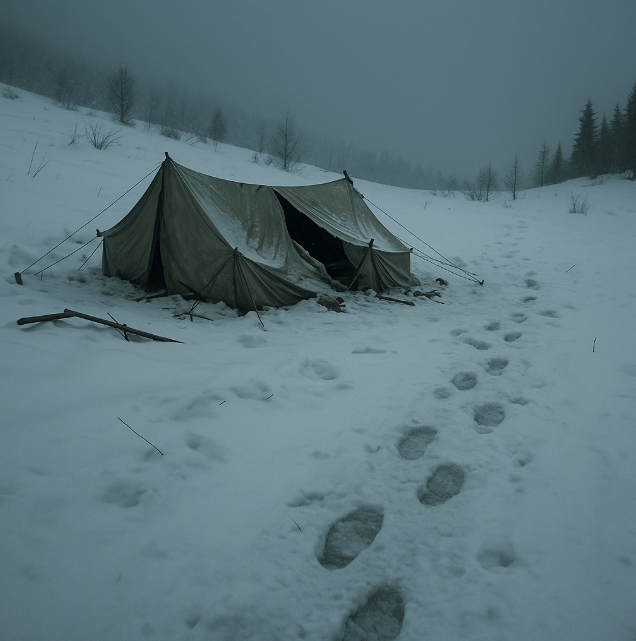
The hikers’ tent, half-buried in snow, had been slashed open from the inside. Personal belongings — boots, clothes, food — were still neatly arranged inside, as though the hikers had left in a rush.
But it was the trail leading away that shocked rescuers: barefoot footprints and sock prints in the snow, heading down toward the forest.
Why would nine experienced mountaineers flee their tent in the freezing night without shoes, coats, or supplies?
The Bodies
One mile from the tent, searchers found the first two bodies: Yuri Doroshenko and Georgiy Krivonischenko, lying near a cedar tree. Both were barefoot, dressed only in underwear, their hands burned as if they had tried to climb the tree for safety or warmth.
Three more bodies — Dyatlov, Rustem Slobodin, and Zinaida Kolmogorova — were discovered between the cedar and the tent, as though they had tried to crawl back. Slobodin’s skull bore a strange fracture, though investigators said it wasn’t fatal.
It took months before the remaining four were found, buried beneath snow in a ravine. Their injuries were horrifying:
-
Ludmila Dubinina was missing her eyes and tongue.
-
Nikolai Thibeaux-Brignolle had a fatal skull fracture.
-
Semyon Zolotaryov had broken ribs, massive chest trauma — but no external wounds.
-
Their clothes carried strange traces of radiation.
Theories and Explanations
The official Soviet investigation concluded the hikers died due to “an unknown compelling force.”
Over the decades, theories swirled:
-
Avalanche: Perhaps snow collapsed on the tent, forcing them to flee. But the slope was shallow, and no avalanche debris was found.
-
Military Tests: Some believe they stumbled into secret weapons experiments — parachute mines or radioactive materials.
-
Yeti or Wild Attack: Locals spoke of a mythical creature, but no tracks or signs of animals were discovered.
-
Panic from Infrasound: Winds through the mountains could have created low-frequency sound, inducing terror and disorientation.
-
Radiation or Aliens: The glowing clothes, strange burns, and secrecy led to more supernatural speculation.
Modern Investigations
In 2019, Russian authorities reopened the case. Their official conclusion in 2020: a “slab avalanche” — a delayed block of snow sliding onto the tent. Panicked, the hikers cut their way out and fled, succumbing to hypothermia and injuries from the avalanche’s force.
But many researchers remain unconvinced. Why were the injuries so inconsistent? Why no avalanche debris? And what about the radiation?
A Mystery Frozen in Time
More than six decades later, the Dyatlov Pass Incident continues to haunt investigators, conspiracy theorists, and storytellers alike.
Nine young hikers walked into the mountains, full of life and adventure. What they encountered remains one of history’s most chilling riddles — a reminder that even in our modern age, nature and mystery can still eclipse reason.