Pyramids in China: Secrets Buried Beneath the Hills of Xi’an
admin
Author
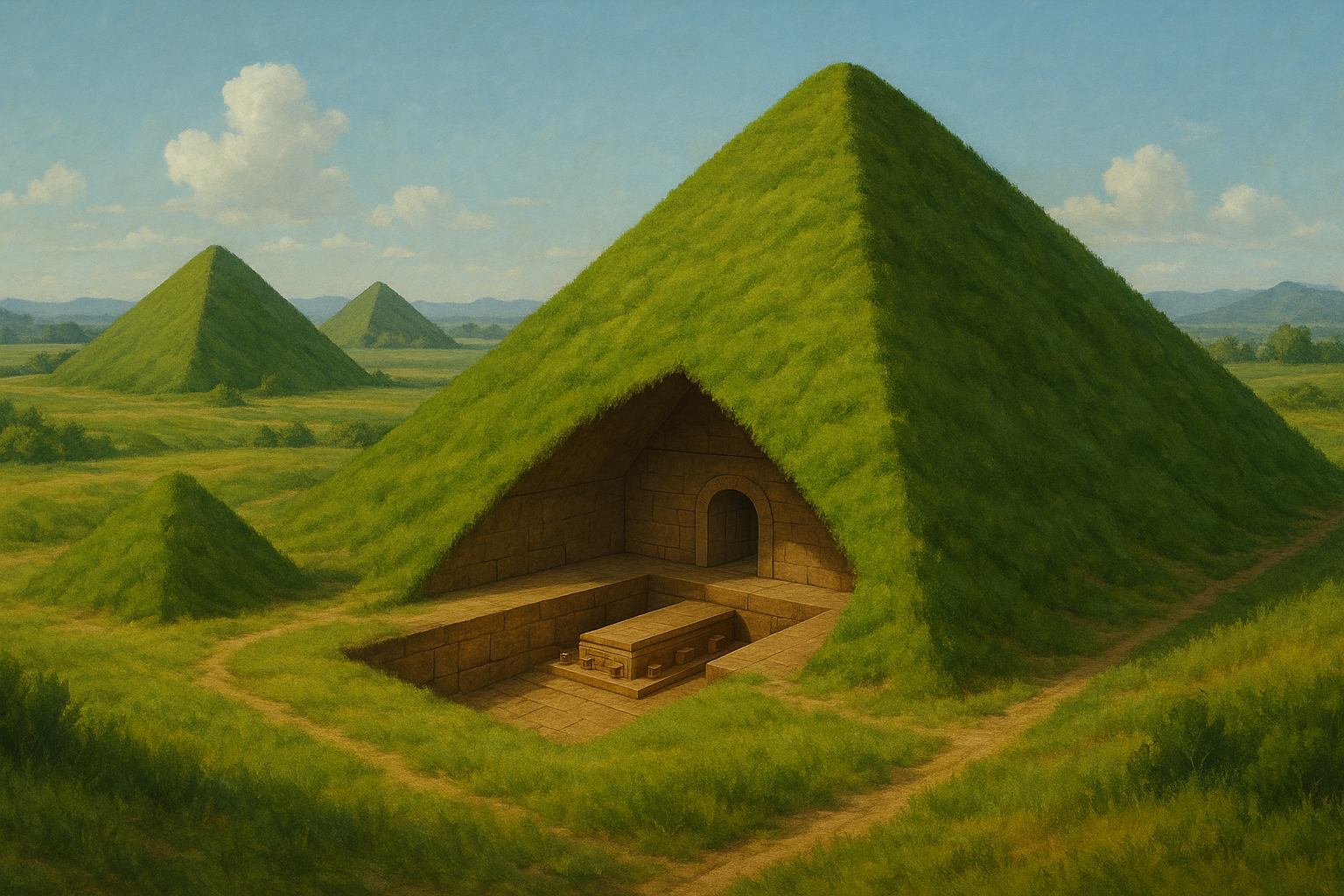
Introduction: China’s Forgotten Pyramids
When people think of pyramids, they imagine Egypt or Mexico. Yet in central China’s Shaanxi province lies a vast plain dotted with dozens of pyramid-like mounds. These are not myths—they are real, towering earthen structures that once served as the resting places of emperors and nobles. And while Egypt has opened many of its pyramids to study, most of China’s remain sealed, protecting mysteries thousands of years old.
The Mausoleum of the First Emperor
The most famous of these sites is the Mausoleum of Qin Shi Huang, China’s first emperor, who unified the nation around 221 BCE. His tomb lies beneath a massive pyramid-shaped mound near Xi’an. Surrounding it is the legendary Terracotta Army—over 8,000 life-sized clay soldiers, horses, and chariots buried to guard him in the afterlife.
Despite decades of excavation, the central burial chamber itself has never been opened. Ancient texts claim it contains rivers of mercury, precious treasures, and astronomical ceilings that mirror the stars. Modern surveys even confirm abnormally high mercury levels in the soil—suggesting the legends may be true.
Other Pyramids in Shaanxi
Beyond Qin Shi Huang’s tomb, archaeologists have documented over 100 pyramid-like mounds across Shaanxi province. Many are smaller imperial tombs dating to the Han and Tang dynasties. Some are nearly as large as the Great Pyramid of Giza when measured at their base, though centuries of erosion and vegetation have softened their appearance into grassy hills.
These mounds are often overlooked by tourists, yet together they form one of the largest necropolises in the world.
Why So Many Remain Unopened
Unlike Egypt, Chinese authorities have adopted a cautious approach. Excavating massive ancient tombs risks damaging their fragile contents. Until technology advances enough to preserve them safely, many of the pyramids will remain closed, keeping their treasures and secrets hidden.
Some scholars believe unopened tombs may contain invaluable artifacts—lost texts, ancient technology, or cultural treasures that could rewrite parts of Chinese history.
Mystery and Speculation
The secrecy around these pyramids has fueled speculation:
-
Do they contain maps of ancient China—or even records of forgotten civilizations?
-
Could the mercury-filled tombs reflect knowledge of chemistry and preservation far ahead of their time?
-
Why did different civilizations across the world all choose the pyramid shape for their most sacred monuments?
Conclusion: Silent Guardians of History
The pyramids of Xi’an are not tourist icons like Giza, but their significance is no less monumental. Beneath those grassy hills lie the untouched tombs of emperors who shaped Chinese civilization. Until science finds a way to unlock them without destruction, they will remain silent guardians of secrets buried deep in the earth.
Perhaps one day, when the seals are finally broken, the world will discover that China’s pyramids hold wonders to rival those of Egypt.