Iran Internet Shutdown Enters Day 3: Protests Rage On Amidst Total Blackout
admin
Author
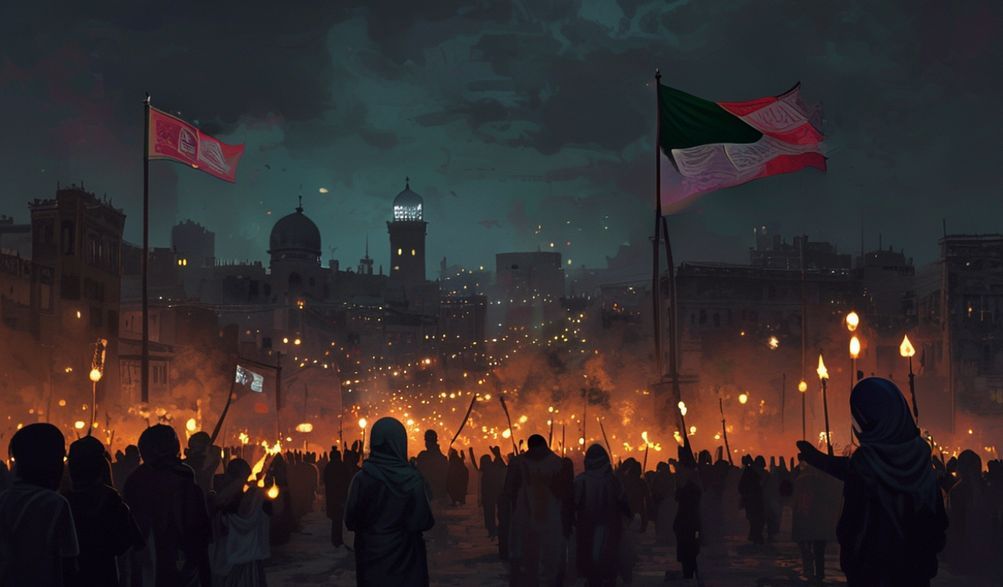
The Iran internet blackout has entered its third day, with protests raging on amidst a total blackout. The Iranian government’s decision to shut down the internet has sparked widespread outrage and concern, both domestically and internationally. As the situation continues to unfold, it is essential to understand the context and implications of this drastic measure. The Iran internet blackout is a significant escalation of the government’s efforts to suppress dissent and maintain control, and it has far-reaching consequences for the country’s citizens, economy, and global relationships.
Iran’s Complex Relationship with the Internet
Iran has a long and complex history with the internet, with the government often struggling to balance the need for connectivity with the desire to control the flow of information. In the early 2000s, Iran began to invest heavily in its internet infrastructure, recognizing the potential benefits of increased connectivity for its economy and citizens. However, as the internet became more widespread, the government began to realize the potential risks, including the spread of dissenting ideas and the organization of anti-government protests.
In response, the Iranian government has implemented various measures to control the internet, including censorship, surveillance, and periodic shutdowns. These efforts have been met with resistance from citizens, who have found ways to circumvent restrictions and access blocked content. The current Iran internet blackout is the most severe example of these efforts to date, with the government shutting down the internet entirely in an attempt to quell ongoing protests.
The protests that sparked the Iran internet blackout began in response to a significant increase in fuel prices, which were implemented by the government as part of a broader effort to reduce subsidies and increase revenue. The price hike was met with widespread anger and frustration, as many citizens felt that it would disproportionately affect the poor and vulnerable. As the protests grew in size and intensity, the government responded with force, deploying security forces to disperse crowds and arresting hundreds of protesters.
The Iran internet blackout was a key factor in the government’s response to the protests, as it sought to prevent protesters from organizing and communicating with each other. By shutting down the internet, the government hoped to disrupt the protests and maintain control. However, the blackout has had unintended consequences, including significant economic losses and widespread international condemnation.
The Human Impact of the Iran Internet Blackout
The Iran internet blackout has had a devastating impact on the country’s citizens, who are struggling to access basic services and communicate with loved ones. The shutdown has disrupted critical infrastructure, including hospitals, banks, and emergency services, leaving many without access to essential care and support. The blackout has also had a significant impact on the country’s economy, with businesses forced to close and trade grinding to a halt.
Furthermore, the Iran internet blackout has prevented citizens from accessing vital information, including news and updates on the protests. This has created an information vacuum, which has been filled by rumors and speculation. The lack of access to information has also made it difficult for citizens to make informed decisions about their safety and well-being, exacerbating the sense of uncertainty and fear.
The Economic Consequences of the Iran Internet Blackout
The Iran internet blackout has significant economic consequences, both in the short and long term. The shutdown has disrupted trade and commerce, with many businesses forced to close or significantly reduce operations. The blackout has also affected the country’s vital oil industry, with exports and production grinding to a halt. The economic losses are estimated to be in the billions, and the long-term impact on the country’s economy is likely to be severe.
The Iran internet blackout has also had a significant impact on the country’s tech industry, which has been growing rapidly in recent years. The shutdown has forced many tech companies to suspend operations, and the lack of access to the internet has made it difficult for entrepreneurs and startups to access critical resources and support. The long-term impact on the tech industry is likely to be significant, with many companies forced to relocate or significantly reduce operations.
The Global Response to the Iran Internet Blackout
The Iran internet blackout has sparked widespread international condemnation, with many countries and organizations expressing concern about the human rights implications of the shutdown. The United Nations has issued a statement calling on the Iranian government to restore internet access, citing the importance of freedom of expression and access to information. The European Union has also issued a statement, condemning the shutdown and calling on the Iranian government to respect the rights of its citizens.
The Iran internet blackout has also sparked a significant response from the global tech community, with many companies and organizations speaking out against the shutdown. Google, Facebook, and Twitter have all issued statements condemning the shutdown, and many other companies have followed suit. The global tech community has also come together to provide support and resources to Iranian citizens, including access to virtual private networks (VPNs) and other tools to circumvent the blackout.
The Role of Social Media in the Iran Internet Blackout
Social media has played a significant role in the Iran internet blackout, with many citizens using platforms like Twitter and Instagram to organize and communicate with each other. Despite the shutdown, many Iranians have found ways to access social media, using VPNs and other tools to circumvent the blackout. Social media has been a critical source of information and support for citizens, providing a platform for people to share their experiences and connect with others.
However, the Iranian government has also used social media to spread propaganda and disinformation, seeking to shape the narrative and maintain control. The government has created fake accounts and bots to spread false information, and has also used social media to identify and target protesters. The use of social media by the government has added a new layer of complexity to the situation, highlighting the challenges of navigating the online landscape in a time of crisis.
The Future of the Iran Internet Blackout
The future of the Iran internet blackout is uncertain, with the government showing no signs of restoring internet access. The protests are likely to continue, and the government’s response will be critical in determining the outcome. The international community will continue to play a significant role, with many countries and organizations pushing for the restoration of internet access and an end to the violence.
The Iran internet blackout has significant implications for the future of the internet in Iran, with the government’s actions setting a precedent for future shutdowns. The blackout has also highlighted the importance of internet freedom and access to information, and has sparked a global conversation about the role of the internet in modern society. As the situation continues to unfold, it is essential to prioritize the rights and safety of Iranian citizens, and to work towards a resolution that promotes freedom, justice, and equality.
The Iranian Government’s Perspective
The Iranian government has argued that the internet blackout is necessary to maintain national security and prevent the spread of dissent. The government claims that the protests are being fueled by foreign powers, and that the internet is being used to spread false information and incite violence. The government has also argued that the shutdown is temporary, and that internet access will be restored once the situation has stabilized.
However, these arguments have been met with skepticism by many, who point out that the shutdown is a disproportionate response to the protests. The government’s actions have been widely condemned, and the lack of transparency and accountability has raised concerns about the true motivations behind the shutdown. The Iran internet blackout has highlighted the tension between national security and individual rights, and has sparked a global conversation about the balance between these competing interests.
Iran Internet Blackout: Conclusion
The Iran internet blackout has entered its third day, with protests raging on amidst a total blackout. The situation is complex and multifaceted, with significant implications for the country’s citizens, economy, and global relationships. The Iran internet blackout is a stark reminder of the importance of internet freedom and access to information, and has sparked a global conversation about the role of the internet in modern society.
As the situation continues to unfold, it is essential to prioritize the rights and safety of Iranian citizens, and to work towards a resolution that promotes freedom, justice, and equality. The international community must continue to push for the restoration of internet access, and to support the Iranian people in their struggle for democracy and human rights. The Iran internet blackout is a critical moment in the country’s history, and its outcome will have far-reaching consequences for the future of the internet and the world.
The Iran internet blackout is a powerful reminder of the importance of a free and open internet, and the need for governments to respect the rights of their citizens. As the world watches the situation in Iran, it is essential to remember the power of the internet to shape our lives and our societies, and to work towards a future where access to information and freedom of expression are universally respected.