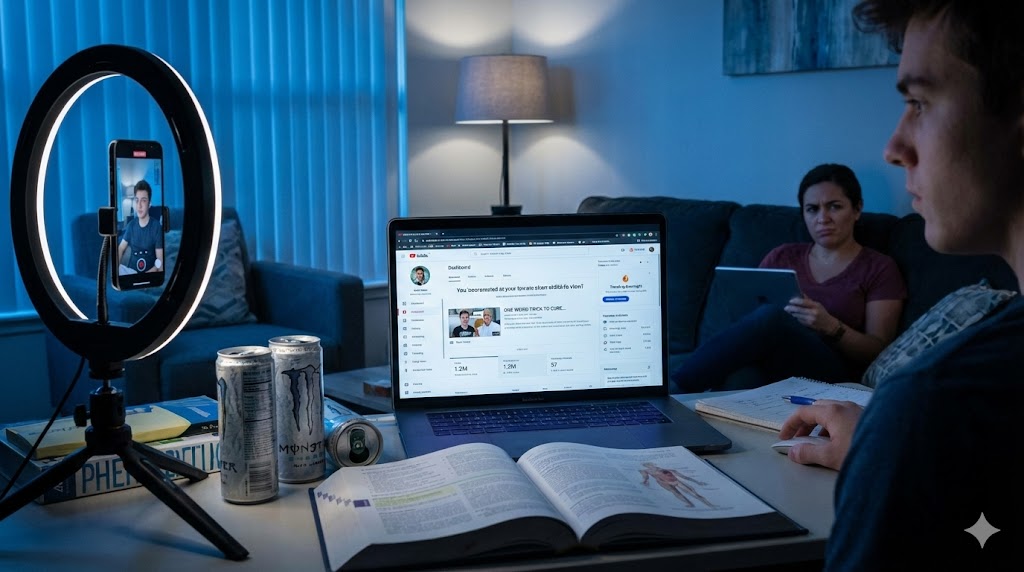
In today’s digital age, the rapid dissemination of information has become a double-edged sword. On one hand, it has democratized access to knowledge, allowing people to learn about various topics from the comfort of their own homes. On the other hand, it has also enabled the spread of fake medical advice, which can have devastating consequences on people’s health and well-being. The issue of fake medical advice has become increasingly prevalent, with misinformation about health and medicine going viral overnight, often with little to no fact-checking or verification. This phenomenon has significant implications, not only for individuals but also for the healthcare system as a whole.
The spread of misinformation about health and medicine is not a new phenomenon. Throughout history, people have been susceptible to false or misleading information about their health, often with serious consequences. In the past, such misinformation was often spread through word of mouth or print media, but the advent of the internet and social media has exponentially increased the speed and reach of fake medical advice. The lack of regulation and oversight on these platforms has created an environment where misinformation can thrive, often with little to no accountability.
The dangers of fake medical advice cannot be overstated. Not only can it lead to misdiagnosis or delayed diagnosis of serious medical conditions, but it can also result in the misuse of medications, unnecessary procedures, and even death. Furthermore, the spread of fake medical advice can also undermine trust in the medical profession and the healthcare system as a whole, leading to a breakdown in the relationship between healthcare providers and patients. This can have long-term consequences, including decreased adherence to evidence-based treatments and a lack of engagement in preventive care.
The Role of Social Media in Spreading Fake Medical Advice
Social media platforms have become a breeding ground for fake medical advice. The algorithms used by these platforms prioritize engagement and clicks over accuracy and truth, creating an environment where misinformation can spread quickly. Furthermore, the lack of fact-checking and verification on these platforms means that false or misleading information can be presented as factual, often with little to no accountability. The consequences of this can be devastating, as people may make life-or-death decisions based on fake medical advice they found on social media.
- Facebook and Twitter have been criticized for their role in spreading misinformation about health and medicine.
- Instagram and YouTube have also been implicated in the spread of fake medical advice, with many influencers and content creators promoting unproven or disproven treatments.
- The lack of regulation and oversight on these platforms has created an environment where fake medical advice can thrive.
The Financial Motivations Behind Fake Medical Advice
While some individuals may spread fake medical advice out of ignorance or a desire to help, others may have more sinister motivations. The health and wellness industry is a multi-billion dollar market, and many individuals and companies are willing to capitalize on people’s fears and vulnerabilities to make a profit. This can include promoting unproven or disproven treatments, selling fake or low-quality health products, and even scamming people out of their money. The financial motivations behind fake medical advice can be significant, and it is often difficult to distinguish between legitimate health information and misinformation driven by financial gain.
- The health and wellness industry is a significant market, with many companies and individuals looking to capitalize on people’s fears and vulnerabilities.
- Some individuals and companies may promote unproven or disproven treatments, often with little to no scientific evidence to support their claims.
- The lack of regulation and oversight in the health and wellness industry has created an environment where fake medical advice can thrive.
The Psychological Factors Behind Fake Medical Advice
The spread of fake medical advice is often driven by psychological factors, including confirmation bias, the placebo effect, and the desire for a quick fix. People may be more likely to believe misinformation about health and medicine if it confirms their pre-existing beliefs or if it offers a simple solution to a complex problem. Furthermore, the internet and social media can create an environment where people are more likely to engage with misinformation, often due to the way it is presented or the emotions it evokes. Understanding the psychological factors behind fake medical advice is crucial to developing effective strategies to combat it.
- Confirmation bias can play a significant role in the spread of fake medical advice, as people may be more likely to believe misinformation that confirms their pre-existing beliefs.
- The placebo effect can also contribute to the spread of fake medical advice, as people may experience real benefits from treatments that have no scientific basis.
- The desire for a quick fix can also drive the spread of fake medical advice, as people may be more likely to engage with misinformation that offers a simple solution to a complex problem.
The Impact of Fake Medical Advice on Healthcare Providers
The spread of fake medical advice can have significant implications for healthcare providers, including doctors, nurses, and other medical professionals. Not only can it lead to a breakdown in the relationship between healthcare providers and patients, but it can also result in decreased adherence to evidence-based treatments and a lack of engagement in preventive care. Furthermore, the spread of fake medical advice can also create an environment where healthcare providers are more likely to be sued or face other forms of liability, often due to the misinformation that patients have been exposed to.
- The spread of fake medical advice can lead to a breakdown in the relationship between healthcare providers and patients.
- It can also result in decreased adherence to evidence-based treatments and a lack of engagement in preventive care.
- Healthcare providers may be more likely to be sued or face other forms of liability due to the misinformation that patients have been exposed to.
Strategies to Combat Fake Medical Advice
Combating fake medical advice requires a multi-faceted approach that involves healthcare providers, policymakers, and individuals. This can include promoting media literacy and critical thinking, supporting fact-checking and verification initiatives, and developing regulations and laws to hold perpetrators of fake medical advice accountable. Furthermore, healthcare providers can play a significant role in combating fake medical advice by providing accurate and reliable information to their patients, and by engaging in public health initiatives to promote awareness and education.
- Promoting media literacy and critical thinking can help individuals to identify and resist fake medical advice.
- Supporting fact-checking and verification initiatives can help to identify and debunk misinformation about health and medicine.
- Developing regulations and laws to hold perpetrators of fake medical advice accountable can help to create a deterrent and promote accountability.
While the dangers of fake medical advice are significant, some argue that the spread of misinformation about health and medicine is not a major concern. They may argue that people are capable of making their own informed decisions about their health, and that the internet and social media have democratized access to information about health and medicine. However, these arguments ignore the fact that fake medical advice can have serious consequences, including misdiagnosis, delayed diagnosis, and even death. Furthermore, they also ignore the fact that the spread of fake medical advice can undermine trust in the medical profession and the healthcare system as a whole.
The spread of fake medical advice is a significant public health concern that requires a comprehensive and multi-faceted response. The dangers of fake medical advice are real, and they can have serious consequences for individuals and the healthcare system as a whole. Combating fake medical advice requires a commitment to promoting accurate and reliable information about health and medicine, and to holding perpetrators of fake medical advice accountable. By working together, we can create a healthier and more informed public, and reduce the risks associated with fake medical advice.