Ghost Towns With Perfect Buildings: Why Some “Abandoned” Places Look Untouched
admin
Author
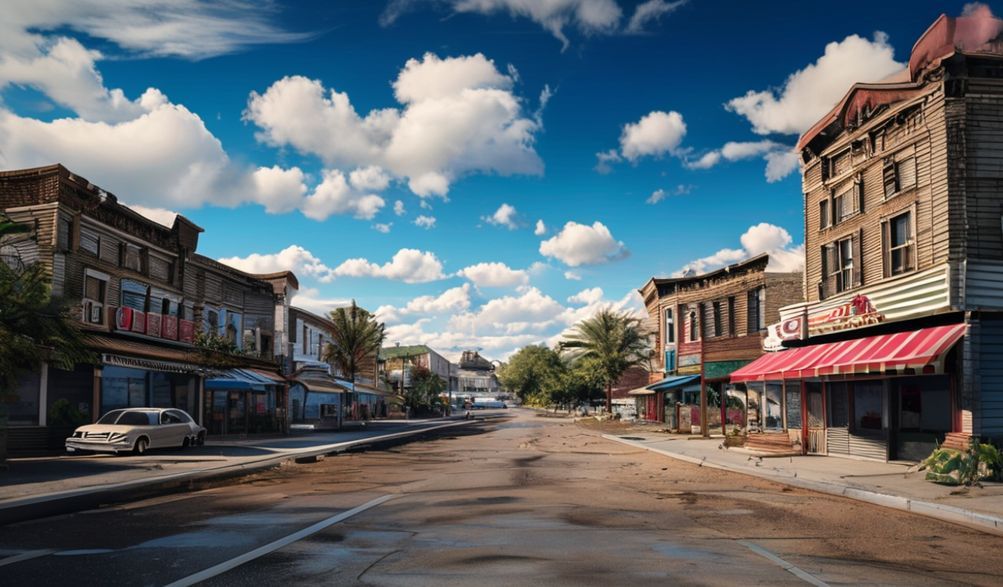
Deep in the heart of America, there exist numerous ghost towns that have been frozen in time, their streets and buildings eerily intact, as if their inhabitants had simply vanished into thin air. These ghost towns, scattered across the United States, are a fascinating yet haunting reminder of the country’s complex and often tumultuous history. From the dusty, sun-scorched landscapes of the Wild West to the crumbling industrial relics of the East Coast, each of these abandoned towns has a unique story to tell, and a secret to uncover. In this article, we will delve into the mysterious world of ghost towns, exploring the reasons behind their abandonment, and the surprising factors that have contributed to their remarkable state of preservation.
Historical Context: The Rise and Fall of Ghost Towns
The history of ghost towns in the United States is a long and varied one, spanning centuries and encompassing a wide range of industries and communities. From the gold rush towns of California to the coal mining towns of Appalachia, many of these ghost towns were once thriving centers of commerce and industry, attracting thousands of people with the promise of work, wealth, and a better life. However, as the industries that supported these towns began to decline, the towns themselves were often left to fade away, abandoned by their inhabitants and left to the mercy of the elements. Despite this, many of these ghost towns have managed to remain remarkably intact, their buildings and streets still standing as a testament to the people who once called them home.
The Role of Industry in Shaping Ghost Towns
One of the primary factors that contributed to the rise and fall of ghost towns was the presence of industry. Many of these towns were built around a single industry, such as mining, logging, or manufacturing, and when that industry declined or disappeared, the town itself was often left without a purpose. This was particularly true in the case of mining towns, which were often built in remote areas and were entirely dependent on the extraction of a single resource. When the resource was depleted, or the market for it declined, the town was left to fend for itself, and often, it was unable to survive.
Ghost Towns: A Window into the Past
Despite their often sad and tragic histories, ghost towns can also be seen as a window into the past, offering a unique glimpse into the lives of the people who once inhabited them. By exploring these towns, and examining the buildings, artifacts, and other remnants that remain, we can gain a deeper understanding of the social, cultural, and economic factors that shaped the lives of our ancestors. From the grand, ornate buildings of the wealthy elite to the humble, rustic homes of the working class, each ghost town has its own unique story to tell, and its own secrets to reveal.
Section 1: The Mining Towns of the West
The mining towns of the American West are some of the most well-known and fascinating ghost towns in the country. These towns, such as Bodie, California, and Tombstone, Arizona, were built during the height of the gold and silver rushes, and were often characterized by their lawlessness, violence, and reckless abandon. Despite their rough-and-tumble reputation, however, these towns also had a softer side, with many residents living and working together in close-knit communities. Today, these towns are a popular destination for tourists and history buffs, who come to marvel at the preserved buildings and artifacts, and to experience the rough-and-tumble spirit of the Wild West.
The Industrial Ghost Towns of the East
In contrast to the mining towns of the West, the industrial ghost towns of the East Coast are a more recent phenomenon, dating back to the decline of the manufacturing industry in the mid-20th century. These towns, such as Gary, Indiana, and Detroit, Michigan, were once thriving centers of industry, with thousands of workers employed in factories, mills, and other manufacturing facilities. However, as the industry began to decline, the towns themselves began to fall into disrepair, with many buildings and homes being abandoned and left to decay. Today, these towns are a testament to the devastating impact of industrial decline, and serve as a reminder of the need for economic diversification and sustainable development.
The Ghost Towns of the Plains
The ghost towns of the Great Plains are a unique and fascinating phenomenon, characterized by their isolation, desolation, and stunning natural beauty. These towns, such as Thurmond, West Virginia, and Glenrio, New Mexico, were often built along railroad lines or highways, and were once thriving centers of commerce and trade. However, as the railroads and highways were improved, and the towns were bypassed, they began to decline, and were eventually abandoned. Today, these towns are a popular destination for photographers and artists, who come to capture the stark, haunting beauty of the Plains, and the remnants of a once-thriving way of life.
The Company Towns
Company towns, such as Pullman, Illinois, and Hershey, Pennsylvania, are a unique type of ghost town, characterized by their origins as planned communities, built and controlled by a single company or corporation. These towns were often designed to provide a high quality of life for workers, with amenities such as housing, healthcare, and education, and were intended to foster a sense of community and loyalty among employees. However, as the companies that built these towns began to decline, the towns themselves were often left to fend for themselves, and were eventually abandoned. Today, these towns are a fascinating example of the complexities of corporate power and social control, and serve as a reminder of the importance of community and worker rights.
The Preservation of Ghost Towns
Despite their often fragile and ephemeral nature, many ghost towns are being preserved and protected for future generations, through the efforts of historians, preservationists, and community activists. This preservation work can take many forms, from the restoration of individual buildings and homes, to the creation of historic districts and national parks. By preserving these towns, we can help to ensure that their stories, and the stories of the people who lived in them, are not lost to the passage of time. Additionally, preservation can also help to promote tourism and economic development, as people come to visit and experience the unique history and culture of these ghost towns.
Counter-Arguments: The Dark Side of Ghost Towns
While ghost towns can be a fascinating and educational destination, they also have a darker side, one that is often characterized by poverty, neglect, and decay. Many ghost towns are located in areas that are remote, inaccessible, and lacking in basic amenities, making them difficult to visit and experience. Additionally, the preservation of ghost towns can also be a complex and contentious issue, with different stakeholders and interest groups often having competing visions and agendas. Furthermore, the commercialization of ghost towns can also be a problem, as tourist development and gentrification can lead to the displacement of long-time residents, and the erasure of the town’s history and culture.
Some critics also argue that the fascination with ghost towns is a form of “ruin porn,” where people are drawn to the decay and neglect of these towns, rather than their history and cultural significance. This can be seen as a form of voyeurism, where people are exploiting the misfortune of others for their own entertainment and gratification. Additionally, the focus on ghost towns can also distract from the pressing issues of poverty, inequality, and social justice that are often present in these communities.
Conclusion: The Enduring Legacy of Ghost Towns
Despite the challenges and controversies surrounding ghost towns, they remain a powerful and enduring symbol of American history and culture. These towns, with their preserved buildings, artifacts, and stories, offer a unique window into the past, and a reminder of the complex and often tumultuous nature of our collective experience. By exploring and preserving these towns, we can gain a deeper understanding of the social, cultural, and economic factors that have shaped our country, and we can work to build a more just and equitable society for all. Whether you are a historian, a preservationist, or simply a curious traveler, ghost towns are a fascinating and unforgettable destination, one that is sure to leave a lasting impression on all who visit.
In the end, the secret behind the abandoned ghost towns that look brand new is not just a matter of chance or circumstance, but rather a complex interplay of historical, cultural, and economic factors. By examining these factors, and by exploring the stories and experiences of the people who lived in these towns, we can gain a deeper understanding of the ghost towns phenomenon, and its enduring legacy in American history and culture. So, the next time you find yourself driving through a deserted landscape, or wandering through a crumbling town, remember the stories and secrets that these ghost towns hold, and the important role they play in shaping our understanding of the past, and our vision for the future.
- Some of the most famous ghost towns in the United States include Bodie, California; Tombstone, Arizona; and Centralia, Pennsylvania.
- Ghost towns can be found in every state in the country, and are often located in remote, rural areas.
- The preservation of ghost towns is a complex and ongoing process, involving the efforts of historians, preservationists, and community activists.
- Ghost towns are a popular destination for tourists and travelers, who come to experience the unique history and culture of these abandoned towns.
- Despite their often fragile and ephemeral nature, many ghost towns are being protected and preserved for future generations, through the creation of historic districts, national parks, and other conservation efforts.