Why Is Antarctica Restricted? The Energy and Resource Question
admin
Author
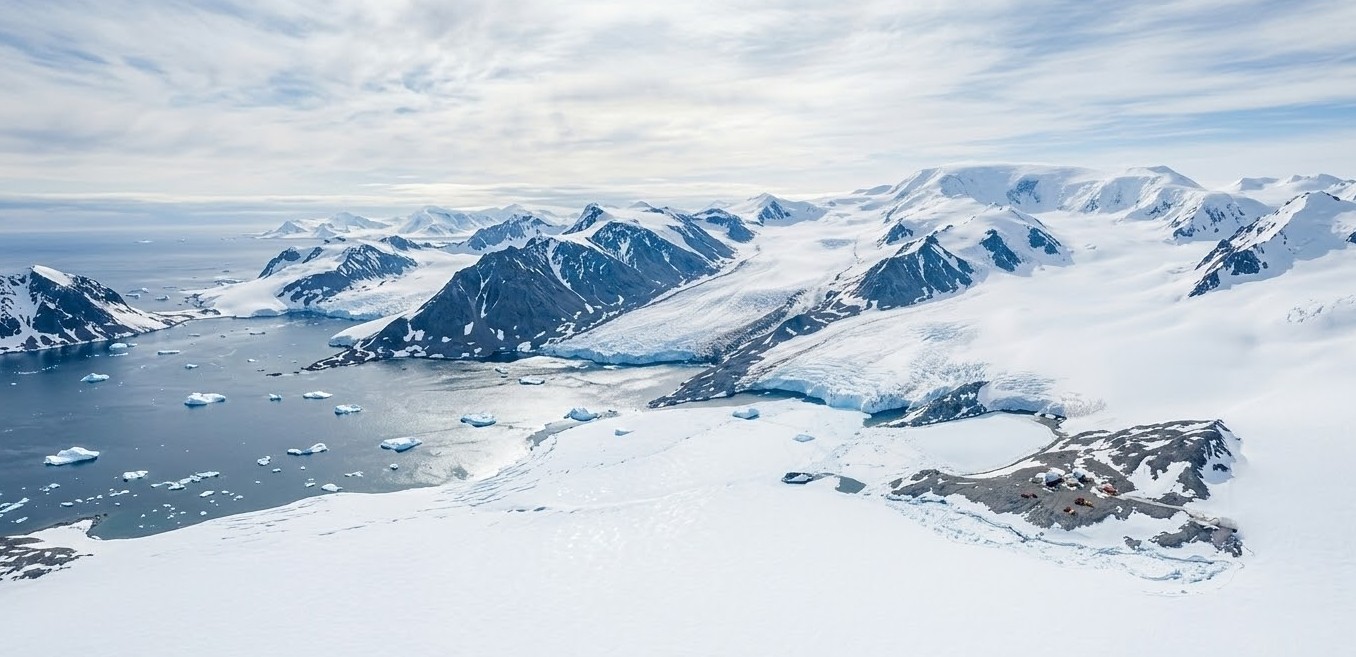
The Forbidden Continent: A Geopolitical “Freeze”
To the casual observer, Antarctica is a wilderness reserved for penguins and scientific research. However, beneath an average of 1.9 kilometers of ice lies a potential treasure trove of energy and minerals. Unlike any other landmass, Antarctica is governed by the 1959 Antarctic Treaty, which designated the continent as a “natural reserve, devoted to peace and science.”
The most significant restriction regarding resources came in 1991 with the Madrid Protocol. This agreement placed an indefinite ban on all activities related to mineral resources, except for scientific research.
The Energy Question: What Lies Beneath?
The primary reason for the strict “no-entry” policy for global corporations is the sheer scale of the estimated resources. Geologists believe Antarctica’s crust contains:
-
Oil and Natural Gas: Preliminary surveys suggest the Ross and Weddell Seas could hold billions of barrels of oil—potentially rivaling some of the world’s largest known reserves in the Middle East.
-
Coal: Massive deposits have been identified in the Transantarctic Mountains, though they remain locked away under the ice sheet.
-
Precious Minerals: Geochemical signatures point to significant deposits of iron ore, chromium, copper, gold, and platinum.
Why Is Mining Restricted?
If the resources are so vast, why are they legally out of reach? The answer is a blend of environmental ethics and the “long game” of global politics:
-
Environmental Fragility: The Antarctic ecosystem is extremely sensitive. An oil spill in sub-zero waters would be nearly impossible to remediate, as oil does not biodegrade at the same rate in extreme cold.
-
The 2048 Review: The Madrid Protocol isn’t “permanent” in the absolute sense. In 2048, the ban can be called for a review. If a majority of the 29 consultative parties agree, the rules governing resource extraction could theoretically be rewritten.
-
Preventing Conflict: If one nation began mining, others would likely follow, leading to territorial disputes. The restriction acts as a “buffer” to prevent a 21st-century “Gold Rush” that could destabilize international relations.
The Future of the Restriction
As global energy demands rise and traditional land-based reserves deplete, the pressure on the Antarctic Treaty may increase. Currently, the continent serves as a “resource bank” for the future—a status quo that keeps the “Energy Question” on ice for at least another two decades.
For now, the restrictions remain the world’s most successful example of international cooperation, prioritizing long-term stability over short-term profit.