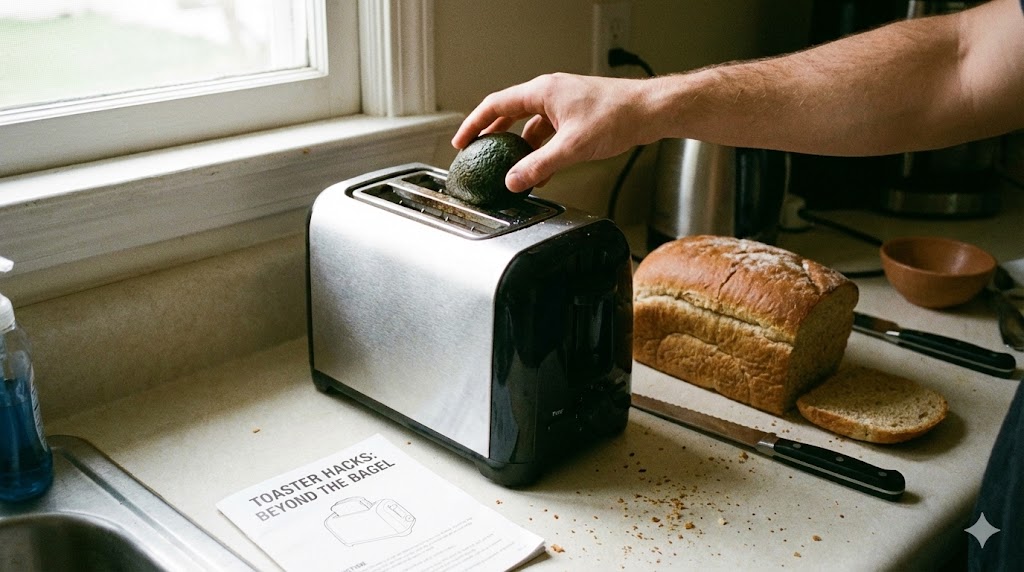
When it comes to using everyday things, there are several common misconceptions that have been ingrained in our minds for years. We often assume that we’re using these items correctly, but the truth is, we’ve been doing it all wrong. From simple household items to complex technology, our daily lives are filled with mistakes and misunderstandings. In this article, we’ll delve into the world of everyday things and explore the common misconceptions surrounding them. We’ll examine the history behind these misconceptions, discuss the correct ways to use these items, and provide evidence to support our claims.
The origins of common misconceptions can be traced back to the early days of human history. As people began to develop new technologies and tools, they often had to rely on trial and error to figure out how to use them. This led to the creation of myths and legends surrounding the use of everyday things. For example, the concept of “left-brained” and “right-brained” people originated from a misunderstanding of the brain’s hemispheres and their functions. Similarly, the idea that cracking your knuckles will give you arthritis is a common misconception that has been debunked by medical professionals.
As time went on, these misconceptions were passed down from generation to generation, often through word of mouth or cultural traditions. They became an integral part of our daily lives, and we never stopped to question their validity. However, with the advent of the internet and social media, it’s become easier to spread misinformation and perpetuate common misconceptions. This is why it’s essential to examine the historical context behind these misconceptions and to separate fact from fiction.
In this section, we’ll explore five everyday things that we’ve been using incorrectly. We’ll discuss the common misconceptions surrounding these items and provide evidence to support the correct ways to use them.
1. Toilet Paper: The Overlooked Orientation
One of the most common misconceptions surrounding toilet paper is the orientation of the roll. Many people believe that the paper should hang over the top of the roll, while others argue that it should hang underneath. However, the truth is that the orientation of the roll doesn’t matter. What’s more important is the material and quality of the toilet paper itself. A study conducted by the American Society for Testing and Materials found that the strength and absorbency of toilet paper are far more important than its orientation.
So, the next time you’re hanging a new roll of toilet paper, don’t worry about which way it’s facing. Instead, focus on choosing a high-quality toilet paper that will meet your needs. And if you’re still unsure, you can always consult the manufacturer’s instructions or online reviews to find the best toilet paper for you.
2. Microwave Ovens: The Hidden Dangers
Microwave ovens are a staple in many households, but there are several common misconceptions surrounding their use. One of the most prevalent myths is that microwaves can cause cancer or other health problems. However, numerous studies have shown that microwave ovens are safe to use, as long as you follow the manufacturer’s instructions.
Another common misconception is that microwaves can’t cook food evenly. While it’s true that microwaves can sometimes produce uneven heating, this can be mitigated by using a microwave-safe container and covering the food with a lid. A study conducted by the Journal of Food Science found that microwaving can actually preserve more nutrients in food than traditional cooking methods, as long as the cooking time is kept to a minimum.
So, the next time you’re using your microwave oven, make sure to follow the instructions and use a microwave-safe container. And don’t worry about the supposed health risks – as long as you’re using your microwave correctly, you’re safe to enjoy your favorite foods.
3. Shampoo: The Sulfate Saga
Shampoo is another everyday item that’s surrounded by common misconceptions. One of the most prevalent myths is that sulfates are bad for your hair and scalp. While it’s true that sulfates can strip your hair of its natural oils, they’re not inherently bad. In fact, sulfates are often necessary to remove dirt and impurities from your hair.
A study conducted by the Journal of Cosmetic Science found that sulfates are safe to use in shampoo, as long as they’re used in moderation. The key is to choose a shampoo that’s formulated for your hair type and to use it in accordance with the manufacturer’s instructions. So, the next time you’re shopping for shampoo, don’t be afraid to choose a sulfate-based product – just make sure to follow the instructions and use it in moderation.
4. Air Conditioning: The Thermostat Trap
Air conditioning is a staple in many households, but there are several common misconceptions surrounding its use. One of the most prevalent myths is that turning the thermostat down to a lower temperature will cool your home faster. However, this is not the case. In fact, turning the thermostat down too low can actually increase your energy bills and reduce the lifespan of your air conditioning unit.
A study conducted by the U.S. Department of Energy found that the optimal temperature for air conditioning is between 78 and 80 degrees Fahrenheit. This temperature range provides the perfect balance between comfort and energy efficiency. So, the next time you’re adjusting your thermostat, make sure to keep it within this range to save energy and reduce your bills.
5. Batteries: The Storage Snafu
Batteries are a crucial part of our daily lives, but there are several common misconceptions surrounding their storage and use. One of the most prevalent myths is that batteries should be stored in the refrigerator to prolong their lifespan. However, this is not the case. In fact, storing batteries in the refrigerator can actually reduce their lifespan and cause them to corrode.
A study conducted by the Battery University found that the optimal storage temperature for batteries is between 40 and 80 degrees Fahrenheit. This temperature range provides the perfect balance between energy retention and corrosion prevention. So, the next time you’re storing batteries, make sure to keep them in a cool, dry place to prolong their lifespan.
While the evidence suggests that we’ve been using everyday things incorrectly, there are still some counter-arguments to consider. Some people may argue that the common misconceptions surrounding these items are harmless and don’t have a significant impact on our daily lives. Others may argue that the correct ways to use these items are too complicated or time-consuming to implement.
However, we would argue that the benefits of using everyday things correctly far outweigh the costs. By using toilet paper, microwave ovens, shampoo, air conditioning, and batteries correctly, we can improve our health, reduce our energy bills, and prolong the lifespan of our belongings. Additionally, by challenging the status quo and questioning common misconceptions, we can foster a culture of critical thinking and curiosity.
In conclusion, our daily lives are filled with common misconceptions surrounding everyday things. From toilet paper to batteries, we’ve been using these items incorrectly for years. However, by examining the historical context behind these misconceptions and providing evidence to support the correct ways to use them, we can challenge the status quo and improve our lives.
As we move forward, it’s essential to continue questioning common misconceptions and to seek out new information and evidence. By doing so, we can create a culture of critical thinking and curiosity, and we can improve our lives in meaningful ways. So, the next time you’re using one of these everyday things, remember to question your assumptions and to seek out the truth. You never know what you might learn, and you might just discover a new way to improve your life.
Ultimately, the goal of this article is to inspire readers to think critically about their daily lives and to challenge common misconceptions. By doing so, we can create a better future for ourselves and for generations to come. So, let’s get started on this journey of discovery and exploration, and let’s see where it takes us.
- For more information on common misconceptions, check out our resources page.
- Join the conversation on social media using the hashtag #commonmisconceptions.
- Share your own experiences and tips for challenging common misconceptions in the comments below.