10 Shocking Things That Will NEVER Be the Same After COVID-19!
admin
Author
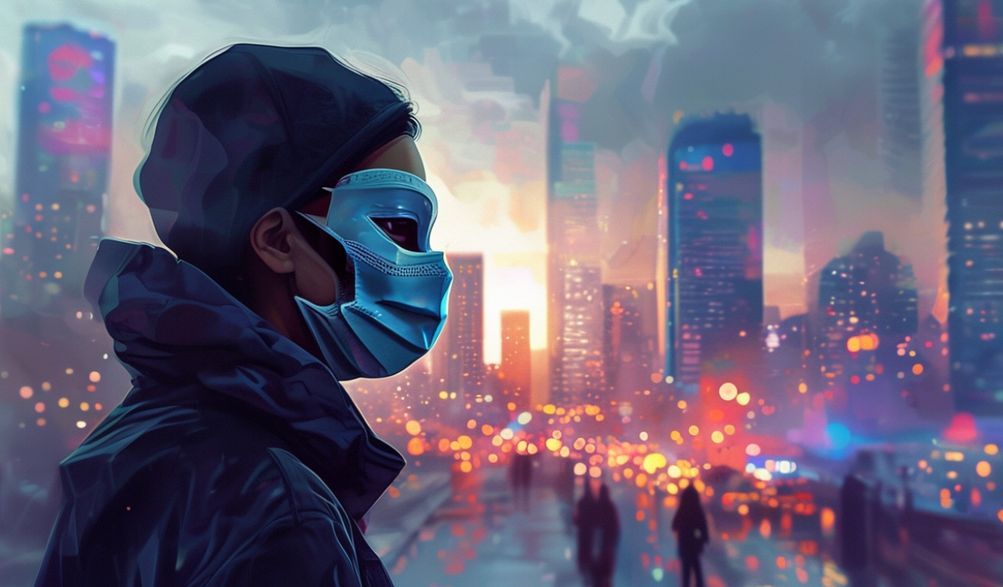
The COVID-19 pandemic has left an indelible mark on humanity, transforming the way we live, work, and interact with one another. As we emerge into the post COVID-19 world, it’s becoming increasingly clear that certain aspects of our lives will never be the same. The pandemic has accelerated changes that were already underway, while also introducing new challenges and opportunities that will shape the course of human history. In this article, we’ll delve into the 10 shocking things that will never be the same after COVID-19, exploring the profound implications of this global health crisis on various aspects of our society.
Historical Context: Understanding the Pre-Pandemic World
To truly appreciate the significance of the changes brought about by COVID-19, it’s essential to understand the world as it existed before the pandemic. In the years leading up to 2020, the world was already experiencing significant shifts in technology, politics, and social norms. The rise of social media, the proliferation of smartphones, and the growing concern about climate change were just a few of the factors that were shaping the global landscape. However, despite these changes, many aspects of our lives remained remarkably consistent, with traditional institutions, social structures, and economic systems remaining largely intact.
Navigating the Post COVID-19 World: New Realities and Challenges
As we navigate the post COVID-19 world, it’s becoming clear that the pandemic has accelerated many of the changes that were already underway, while also introducing new challenges and opportunities. The shift to remote work, the growth of e-commerce, and the increased focus on public health are just a few examples of the ways in which the pandemic has transformed our lives. However, these changes have also raised important questions about the future of work, the role of technology in our lives, and the need for greater resilience and adaptability in the face of uncertainty.
The Future of Work
The COVID-19 pandemic has had a profound impact on the way we work, with millions of people around the world being forced to work from home. This shift to remote work has accelerated the adoption of digital technologies, such as video conferencing and collaboration tools, and has raised important questions about the future of the traditional office. As we move forward in the post COVID-19 world, it’s likely that remote work will become a permanent feature of our lives, with many companies adopting flexible work arrangements that allow employees to work from anywhere. This shift will have significant implications for urban planning, transportation, and the way we design our cities.
- Increased adoption of digital technologies, such as video conferencing and collaboration tools
- Shift to remote work, with many companies adopting flexible work arrangements
- Redesign of urban spaces, with a focus on community and collaboration
The Growth of E-Commerce
The COVID-19 pandemic has also had a significant impact on the way we shop, with many people turning to e-commerce as a way to avoid physical stores. This shift to online shopping has accelerated the growth of e-commerce, with many retailers investing heavily in digital platforms and logistics. As we move forward in the post COVID-19 world, it’s likely that e-commerce will continue to grow, with many retailers adopting omnichannel strategies that blend online and offline shopping experiences. This shift will have significant implications for the retail industry, with many traditional brick-and-mortar stores being forced to adapt to the new reality.
- Increased adoption of e-commerce, with many retailers investing in digital platforms and logistics
- Shift to omnichannel retailing, with a focus on blending online and offline shopping experiences
- Redesign of physical stores, with a focus on experiential retail and community engagement
The Importance of Public Health
The COVID-19 pandemic has highlighted the importance of public health, with many countries investing heavily in healthcare infrastructure and pandemic preparedness. As we move forward in the post COVID-19 world, it’s likely that public health will become a major focus of government policy, with many countries adopting proactive approaches to disease prevention and health promotion. This shift will have significant implications for the way we think about healthcare, with a greater emphasis on prevention, community engagement, and global cooperation.
- Increased investment in healthcare infrastructure and pandemic preparedness
- Shift to proactive approaches to disease prevention and health promotion
- Greater emphasis on community engagement and global cooperation
The Role of Technology
The COVID-19 pandemic has accelerated the adoption of digital technologies, with many people using tools like video conferencing, online learning platforms, and telemedicine to navigate the crisis. As we move forward in the post COVID-19 world, it’s likely that technology will play an even greater role in our lives, with many companies investing in artificial intelligence, blockchain, and other emerging technologies. This shift will have significant implications for the way we work, learn, and interact with one another, with many traditional institutions and social structures being forced to adapt to the new reality.
- Increased adoption of digital technologies, such as video conferencing and online learning platforms
- Investment in emerging technologies, such as artificial intelligence and blockchain
- Redesign of traditional institutions, such as education and healthcare, to incorporate technology
The Need for Resilience and Adaptability
Finally, the COVID-19 pandemic has highlighted the need for resilience and adaptability in the face of uncertainty. As we move forward in the post COVID-19 world, it’s likely that we will face many more challenges and disruptions, from climate change to economic instability. To navigate these challenges, we will need to develop a greater capacity for resilience and adaptability, with many individuals, organizations, and governments adopting proactive approaches to risk management and innovation. This shift will have significant implications for the way we think about leadership, strategy, and innovation, with a greater emphasis on flexibility, creativity, and collaboration.
- Increased emphasis on resilience and adaptability in the face of uncertainty
- Adoption of proactive approaches to risk management and innovation
- Redesign of leadership and strategy to incorporate flexibility, creativity, and collaboration
Counter-Arguments: The Case for a Return to Normalcy
While many experts believe that the COVID-19 pandemic will have a lasting impact on our lives, there are also those who argue that we will eventually return to a sense of normalcy. According to this view, the pandemic is a temporary disruption that will eventually pass, and we will return to our traditional ways of living and working. However, this perspective overlooks the profound changes that have already taken place, from the shift to remote work to the growth of e-commerce. As we move forward in the post COVID-19 world, it’s likely that these changes will become permanent, with many aspects of our lives being forever altered by the pandemic.
Conclusion: Navigating the Post COVID-19 World
In conclusion, the COVID-19 pandemic has had a profound impact on our lives, transforming the way we live, work, and interact with one another. As we emerge into the post COVID-19 world, it’s becoming clear that certain aspects of our lives will never be the same. From the shift to remote work to the growth of e-commerce, the pandemic has accelerated changes that were already underway, while also introducing new challenges and opportunities. To navigate this new reality, we will need to develop a greater capacity for resilience and adaptability, with many individuals, organizations, and governments adopting proactive approaches to risk management and innovation. As we look to the future, it’s clear that the post COVID-19 world will be shaped by the choices we make today, and that we have a unique opportunity to create a better, more sustainable future for all.