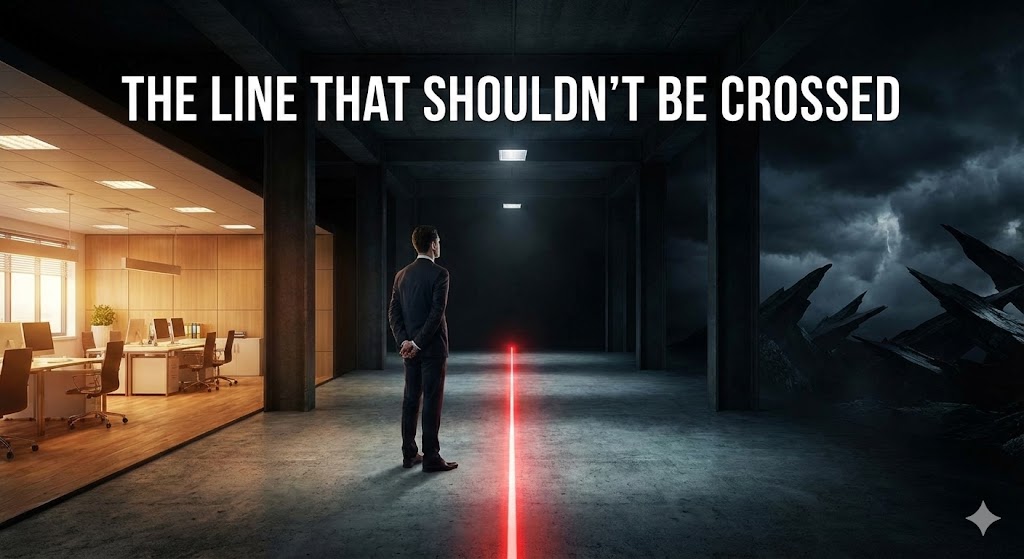
In the realm of human ethics and morality, there exists a threshold that, once breached, can lead to catastrophic consequences, a point of irreversibility that is commonly referred to as The Line That Shouldn’t Be Crossed. This metaphorical boundary serves as a warning, a demarcation that separates right from wrong, and its transgression can have far-reaching and devastating effects on individuals, communities, and societies as a whole. The concept of such a line is not new and has been a subject of discussion and debate in various fields, including ethics, philosophy, and psychology, for centuries. The question, however, remains: what constitutes this line, and how do we prevent crossing it, especially in a world where moral ambiguities are increasingly prevalent?
Introduction to The Line That Shouldn’t Be Crossed
The idea of a moral boundary that should not be crossed is deeply ingrained in human culture and history. It reflects the universal understanding that certain actions are inherently wrong and can lead to harm, either to oneself or to others. This line is not static; it evolves with societal norms, legal frameworks, and personal beliefs. However, the core principle remains the same: to protect the well-being, dignity, and rights of all individuals. Understanding where this line is drawn and respecting it is crucial for maintaining social harmony and preventing individual and collective downfall.
Historical Context of The Line That Shouldn’t Be Crossed
Throughout history, numerous events and figures have illustrated the consequences of crossing The Line That Shouldn’t Be Crossed. From the atrocities of war to the infringements of human rights, each instance serves as a stark reminder of the importance of ethical boundaries. Historical contexts provide valuable lessons on how the disregard for such lines has led to devastating outcomes, affecting not only the immediate victims but also future generations. The study of history, therefore, plays a critical role in understanding the significance of respecting moral and ethical boundaries.
Detailed Analysis
A detailed examination of instances where The Line That Shouldn’t Be Crossed has been breached reveals a pattern of escalating consequences. Initially, the violation may seem minor or justifiable, but it sets a dangerous precedent. Over time, the continuous disregard for ethical boundaries leads to a desensitization of moral values, making it easier for more severe transgressions to occur. This slippery slope effect is a common theme in discussions about the erosion of ethical standards and the importance of drawing and maintaining clear moral lines.
Section 1: The Psychology of Crossing The Line That Shouldn’t Be Crossed
Psychological factors play a significant role in understanding why individuals cross The Line That Shouldn’t Be Crossed. Research has shown that the process of crossing moral boundaries often involves a gradual shift in an individual’s belief system or moral framework. This can be influenced by peer pressure, authority figures, or a desire for personal gain. The psychological concept of moral disengagement, where individuals rationalize their unethical behavior, is also a critical factor. Understanding these psychological dynamics is essential for developing strategies to prevent the crossing of moral boundaries.
Section 2: Societal Pressures and The Line That Shouldn’t Be Crossed
Societal pressures, including cultural norms, economic conditions, and political climates, can significantly influence an individual’s decision to cross The Line That Shouldn’t Be Crossed. In some societies, certain actions that are considered morally reprehensible in other cultures may be condoned or even encouraged. The impact of societal pressures underscores the importance of promoting ethical awareness and education, as well as fostering a culture that values and respects moral boundaries.
Section 3: Legal Frameworks and The Line That Shouldn’t Be Crossed
Legal frameworks are designed to codify moral and ethical standards into laws that protect individuals and society. However, the effectiveness of these frameworks in preventing the crossing of The Line That Shouldn’t Be Crossed depends on their clarity, enforceability, and the societal willingness to comply. In many cases, legal loopholes or corrupt systems can facilitate the breach of moral boundaries. Therefore, it is essential to continually review and refine legal frameworks to ensure they align with evolving moral standards and are robust enough to deter unethical behavior.
Section 4: Personal Responsibility and The Line That Shouldn’t Be Crossed
Ultimately, the decision to cross or respect The Line That Shouldn’t Be Crossed rests with the individual. Personal responsibility involves recognizing one’s actions, understanding their impact, and making choices that align with moral and ethical principles. Education, self-reflection, and a commitment to ethical behavior are key components of personal responsibility. Encouraging individuals to embrace these values is vital for creating a society where moral boundaries are respected and The Line That Shouldn’t Be Crossed is not breached.
Section 5: Collective Action Against Crossing The Line That Shouldn’t Be Crossed
Collective action, where communities and societies come together to promote ethical standards and prevent the crossing of moral boundaries, is a powerful tool. This can involve community education programs, support for ethical leadership, and the establishment of mechanisms for reporting and addressing unethical behavior. By fostering a collective commitment to respecting The Line That Shouldn’t Be Crossed, societies can create an environment where moral boundaries are valued and protected.
Counter-Arguments
Some argue that the concept of The Line That Shouldn’t Be Crossed is too rigid or absolute, failing to account for the complexity and nuance of real-world situations. They suggest that moral boundaries should be flexible, adapting to circumstances and context. While it is true that ethical decisions often involve gray areas, the principle of respecting a moral threshold serves as a necessary guideline. It provides a foundation for ethical decision-making, even in ambiguous situations, and helps to prevent the erosion of moral standards.
Conclusion: Respecting The Line That Shouldn’t Be Crossed
In conclusion, The Line That Shouldn’t Be Crossed is a critical concept that underpins the moral fabric of our societies. It serves as a reminder of the importance of respecting ethical boundaries and the devastating consequences that can result from their breach. Through a combination of historical context, psychological insight, societal awareness, legal frameworks, personal responsibility, and collective action, we can work towards a world where moral boundaries are valued and respected. As we navigate the complexities of the modern world, the principle of not crossing The Line That Shouldn’t Be Crossed remains a guiding light, illuminating the path towards a more ethical and harmonious future for all.
By understanding and respecting The Line That Shouldn’t Be Crossed, we not only protect ourselves and our communities but also contribute to the creation of a global society that is grounded in moral integrity and respect for human dignity. The journey to achieve this vision is ongoing, requiring continuous effort and commitment from individuals, organizations, and governments. However, the reward is well worth the challenge: a world where the well-being, rights, and dignity of all individuals are protected and valued, and where the concept of crossing The Line That Shouldn’t Be Crossed becomes a relic of a less enlightened past.