🚀 Operation Paperclip: The Secret Program That Brought Nazi Scientists to America
admin
Author
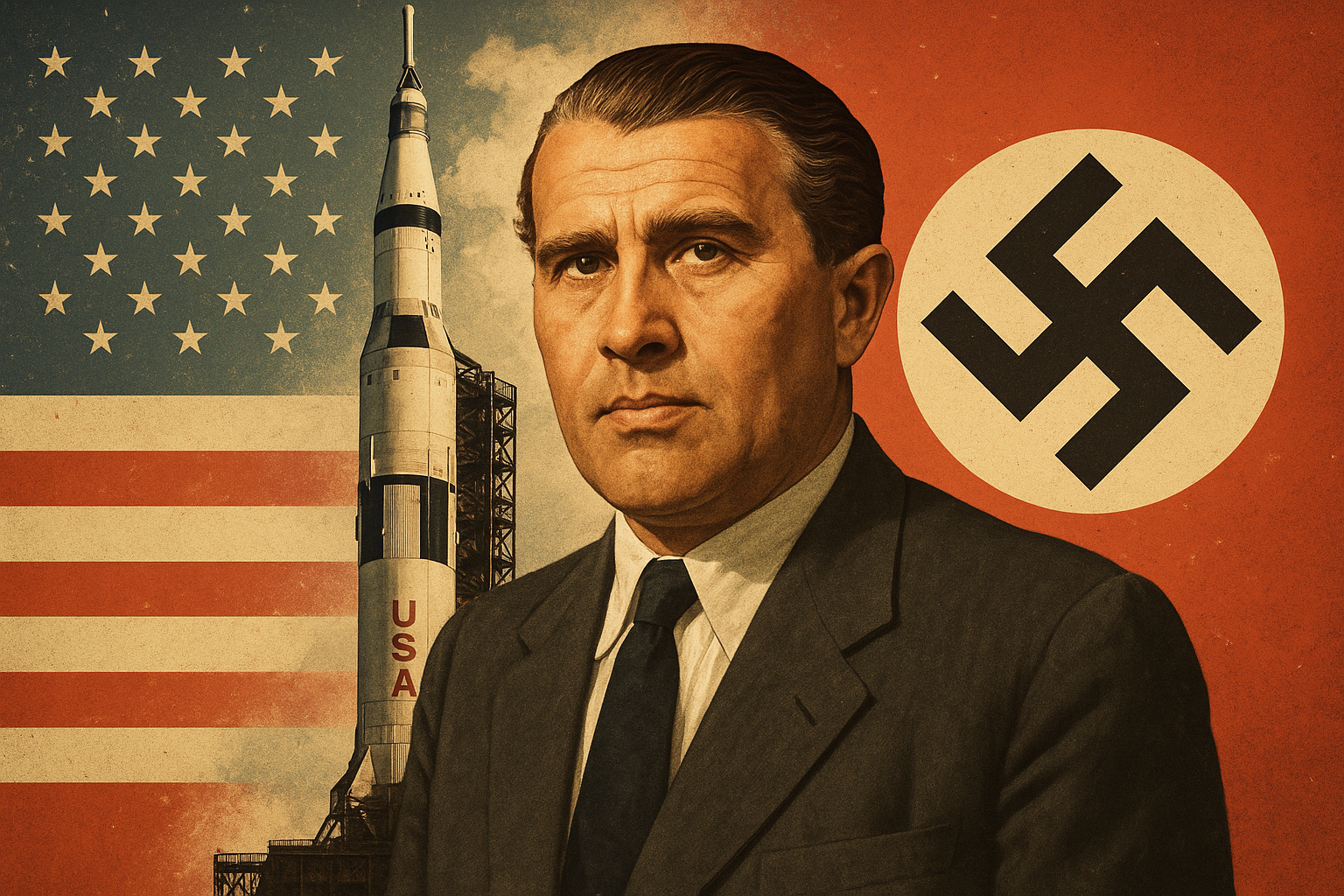
When the guns of World War II fell silent in 1945, the world thought it had seen the end of Hitler’s empire. But in the shadows of victory, a new secret mission was just beginning — one that would transplant the minds behind the Nazi war machine into the heart of the United States.
It was called Operation Paperclip.
From the Reich to the Stars
Launched by the U.S. government and approved by President Truman, Operation Paperclip secretly recruited more than 1,600 German scientists, engineers, and doctors. Many of these men had served the Third Reich directly, working on advanced rockets, weapons, and even medical experiments.
Among them was Wernher von Braun, the brilliant but controversial engineer behind Germany’s V-2 rockets — missiles that had rained destruction on London. Within years, von Braun would become the architect of NASA’s Saturn V rocket, the machine that carried American astronauts to the moon.
Why America Wanted Them
As the Cold War dawned, the U.S. feared the Soviet Union would seize Germany’s top scientists. The race wasn’t just for land or resources — it was for knowledge. Whoever controlled advanced rocketry, aviation, and weapons technology would dominate the next era of warfare.
The solution? Bring those minds to America, no matter their past.
Scrubbing the Records
To make the program acceptable, officials often rewrote or concealed the Nazi backgrounds of recruits. Scientists who had worked directly with the SS or overseen forced labor were rebranded as “safe” contributors to American progress. Many were quietly given new identities and clean records.
Building the Future — On Dark Foundations
The results were undeniable. German scientists contributed to:
-
NASA’s Apollo Program, culminating in the 1969 moon landing.
-
Jet and missile technology, strengthening the U.S. military during the Cold War.
-
Medical research and aviation studies, influencing fields that went far beyond warfare.
But the moral cost remains debated. Could the pursuit of progress justify offering sanctuary to men who had served Hitler’s regime?
Controversy That Lingers
Historians argue that Operation Paperclip blurred the line between justice and necessity. Some of the scientists had been implicated in war crimes, yet their expertise was deemed too valuable to ignore.
Today, Operation Paperclip stands as both a triumph of scientific achievement and a dark reminder of compromise. It helped put a man on the moon — but also revealed how far nations are willing to go when survival is at stake.
Why It Matters
Operation Paperclip shows that history is rarely black and white. Behind the triumph of America’s space race lies a shadowy deal with former enemies. It raises a haunting question: Can great achievements ever be separated from the dark origins that made them possible?